Explain to the children in cages, the ripped apart families, your grandchildren who will suffer the climate change effects and increased xenophobia, and who will suffer the heavy debt of student loans and health care costs
that you voted the way you did because your 401K increased by 5%.
via Facebook 2020-02-05T13:59:23.000Z
Instagram and Snapchat and Tictoc are not social media sites because they do not facilitate sharing of information properly. They were not created for sharing of information or building of virtual communities.
Come back to Facebook if you are still interested in communication with humans electronically at least.
Facebook is changing countries currently. It is not bad unless you don’t know your settings options.
via Facebook 2020-01-29T18:42:14.000Z
The impossibility is the Arabic Disunity not Arabic Unity. Arabs are already united despite the colonial borders and puppet governments.
المستحيل هو الفرقةالعربية لا الوحدة العربية. العرب متحدون رغم الحدود التي رسمها لهم الاستعمار والحكومات الدمية التي وضعها.
via Facebook 2020-01-28T21:01:24.000Z
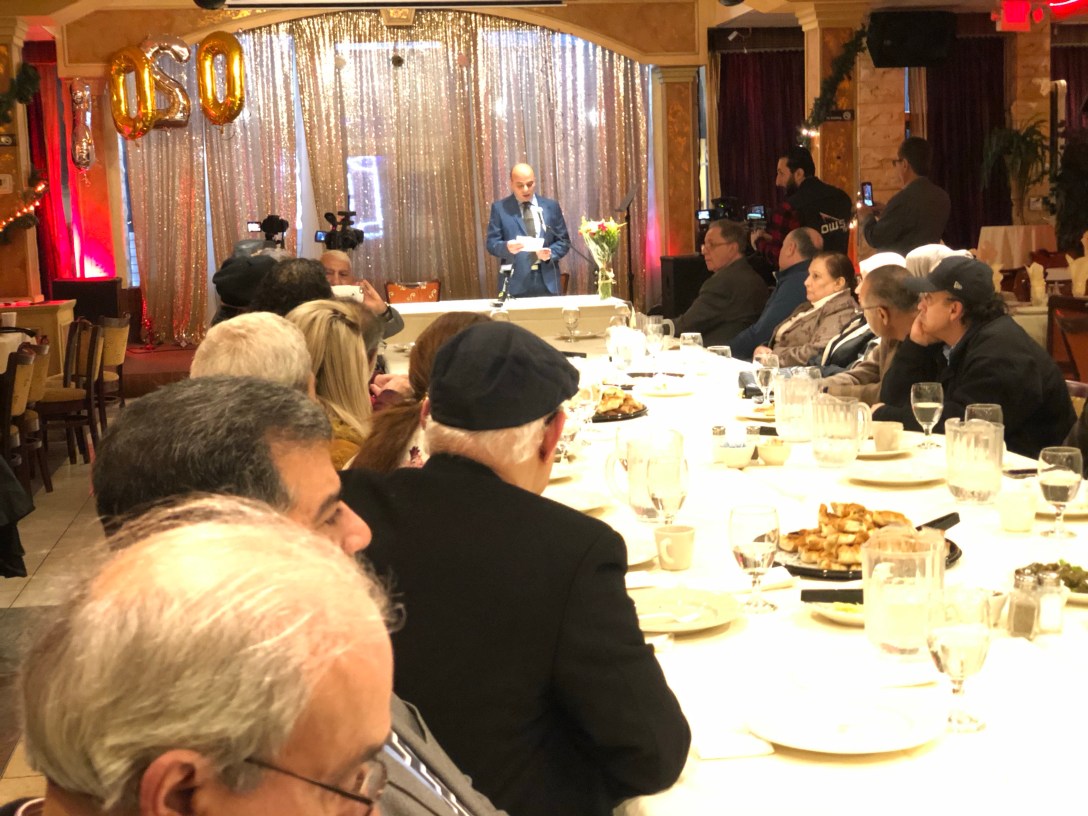
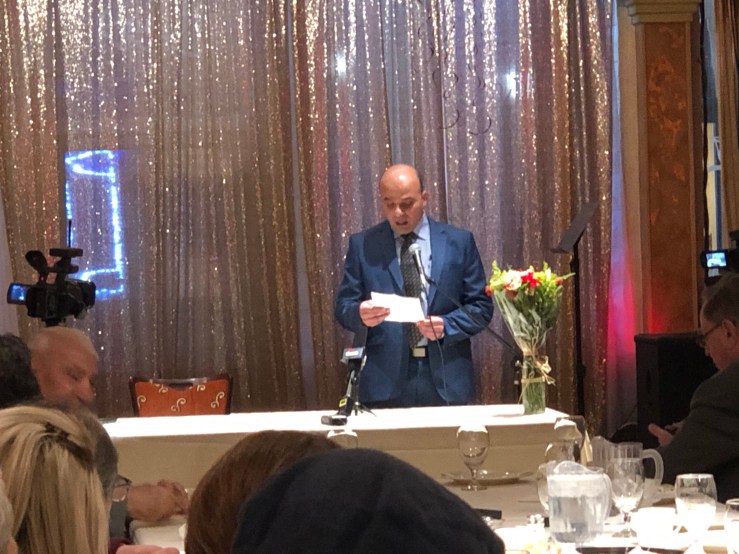
يشرفني أن أقف بمناسبة توقيع هذا الكتاب المهم، و الخطير، و الجريء…
إنها مناسبةُ انطلاقة هذه الصيحة أمام انغلاق العقل،
و هذه الدعوة لفتح جميع مشارعه.
انطلاقةِ هذا الدواء الطارئ للأوجاع المزمنة التي أصابت الأمة
و المراجعةِ الصريحةِ لهزائم الأمة الفكرية.
فالأستاذ مصطفى العمري لا يدع حروفاً غير منقّطة، و يُغني قارئه عمّا بين السطور بما عليها، و عمّا في بطن الكلام بما هو في ظاهره…
فبيانه واضح، و كلامه جريء، و رسالته مشرقةٌ كالشمس في وضح النهار … لا يخافُ فيها لومة لائم، و لا سلطاناً جائر.
ما فعله الأستاذ مصطفى العمري ليضيف معركة جديدة في الحرب لتحرير العقل العربي و الإسلامي من الهيمنة الدينية و الوراثية، الحرب التي خاضها من قبله الدكتور محمد أركون، و إبراهيم البليهي، و نصر حامد أبو زيد، و الدكتور محمد عابد الجابري، و محمد إقبال، و عبد الكريم سروش، و غيرهم، هو أنه أخذ بيد القارئ ليمشي كتفاً بكتف معه في رحلة فكرية عبد السؤال … السؤال الذي يوجهه الأستاذ مصطفى و معه القارئ إلى النصوص الموروثة.
عجيب أيها العمري كم أنت مرهف الإحساس مع قارئك، كثير العناية به، حريص عليه، كيف لا و أنت قد أهديته كتابك، و ترجوه هنا ليفتح قلبه لك، و تدعوه هناك لأن يساهم في نشر حركة الوعي و التيقظ.
يستخدم الأستاذ مصطفى ليحيط بالموضوع الشائك لكتابه بمصطلحات جديدة يبتكرها حيناً، و يحيها من مفكرين سبقوه حيناً آخر ليعطيها بعداً جديداً ديناميكياً، فهو يريد للقرائ أن يعي القيود التي ولدت فيه و ترعرعت معه، و يسميها بالقيود القدرية، أو قيود النشأة و التربية، أضف عليها ما يسميه بسلطة المحاذير الاجتماعية، التي تصنع ما يسميه بثكنات مفارز الفحص و التفتيش، التي تمنع العقل في مرحلة النضوج من الخروج عن المألوف أو المتوارث أو المقدّس، و يفكك الكاتب مصطلح العقل المنبثق ليضعه في متناول القارئ، و كأنه يدربه عليه.
وفّر العمري وقت القارئ و اختصر عليه المسافة العقلية في قطع الخطوط الحمر و علاج الفوبيا بخوضه مباشرة بالحوار الفتوح و ما يسميه “حديث المكاشفة” مع نبي الإسلام، حديث شخصي صريح و مرهف و مؤدب و جريء، فيجعل القارئ و كأنه جالس يشاهد هذا الحوار بين مصطفى العمري و النبي، و لكن تشكل الأسئلة أغلب هذا الحوار، و يجرّ الكاتب القارئ إلى الحوار، فيجد نفسه قد دخل في الحوار مع النبي و الكاتب من حيث لا يشعر، و هو بذلك بعالج الفوبيا الدفينة في نفس كل قارئ مسلم، و يدرّب العقل على السؤال … السؤال الذي هو مفتاح العلم و باب المعرفة.
لن يسعني أن أمضي في الكلام حول محطات الكتاب الكثيرة، فإني أترك ذلك للقارئ
We have history that can make a thousand epic stories and movies.
Here is one:
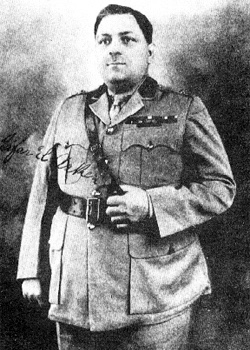
Born in 1885
An Arab Ottoman officer
From Kurdish extraction
Born in Iraq
Graduated from Istanbul
Received officer training in Germany
Fought against the British in Libya along side the Sanussi tribesmen.
In a desperate battle, he resorted to his sword to continue fighting.
Injured.
Fallen as a prisoner of war to the British in 1916.
Jailed in Cairo.
Tried to escape and broke his leg.
Approached by Nuri Al-Sa’id (Iraq) and Dr. Abd Al rahman Al Shabandar and briefed on Arab secret societies of Alahd and Alfatat, and the Arab Revolt.
Communication blocked by the British.
British were hesitant about him joining Arab Revolt with Sherif Hussein because they don’t want the Arab Revolt to be too strong or too PanArabic, but as need arose for commanders, he was a natural choice.
Sharif Hussein was suspicious of such a previously Ottoman loyal warrior to join the Arab Revolt, but his son Faisal insisted and convinced his father.
Faisal wrote him directly and invited him to be the commander of the Arab Revolt Northern Army which is led previously by Faisal himself.
In 1917, he accepted and set sail to Wejh (north Hijazi city).
Fought till the victory of the Arab Revolt and the fall of the Ottoman Empire in 1918.
Amir Zaid, on behalf of Amir Faisal, asked him to be the Inspector General of the Army of the newly established Arab state of Syria, which he accepted. Shortly thereafter, he was appointed the military Governor of the Aleppo Vilayet in Syria.
In 1921, appointed as Minister of Defense in Newly formed Iraq by King Faisal.
In 1923, appointed as Prime Minister in Iraq.
After couple years, he resigned as he didn’t like the job and was appointed as Iraq minister in London.
In 1926, appointed as Prime Minister again, but resigned in December 1927 since his plan was not liked by people.
Assassinated in 1936 as part of Bakr Sidqi military coupe.
الجمعية القحطانية : جمعية عربية تأسست في القسطنطينية عام 1909 خلال الدولة العثمانية. و هي في الأصل جمعية سرية امتازت ببرنامجها الجرئ المطالب باستقلال البلاد العربية مع المحافظة على الولاء للتاج العثماني و قد أعدم أحمد جمال باشا معظم أعضاء هذه الجمعية و منهم عبد الحميد الزهراوي و رفيق رزق سلوم و عزة الجندي.
أهدافها:
١. دعت إلى أن يكون السلطان التركي ملكا على العرب والترك من خلال تكوين امبراطورية تركية عربية وأن يضع السلطان التاج العربي بجانب التاج التركي (مملكه ذات تاجين)
٢. وأن تمنح الولايات العربية الاستقلال «الذاتي» في نطاق الدولة العثمانية
٣. مجابهة التيار العنصري التركي بتيار قومي عربي، من أجل تمكين العرب من السيطرة على مؤسسات الولايات العربية
المؤسسين:
١. خليل حماده المصري (من مصر)
٢. عبد الكريم الخليل (من لبنان)
٣. سليم الجزائري (من الجزائر)
من أبرز أعضائها:
الأمير شكيب أرسلان
الدكتور عزت الجندي
محمد كرد علي
الأمير عارف الشهابي
علي النشاشيبي
عزيز المصري (يعتبر العضو الأبرز ويقال في أحيان كثيرة أنه المؤسس)
تحسين علي
و تحولت لجمعية العهد لاحقاً.
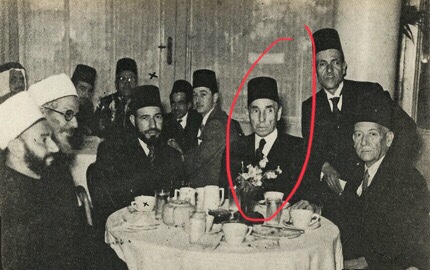
أنشأ هذه الجمعية البكباشي عزيز المصري (في الصورة في الدائرة الحمراء) بالإضافة إلى مجموعة من الضباط العرب في الجيش العثماني بعد الخلاف الذي دب في جمعية الاتحاد والترقي بين الضباط العرب الذين طلبوا مزيدا من الحقوق لعرب وبين الضباط الأتراك الذين تنكروا لمطلب العرب.
تأسست بتاريخ 28 أكتوبر 1913 لتحل محل الجمعية القحطانية وكان برنامجها هو برنامج الجمعية القحطانية وإن كان قد صيغ بلغة عسكرية وهو السعي وراء الاستقلال الداخلي للبلاد العربية. ومن أبرز الضباط العرب الذين انضموا إلى الجمعية طه الهاشمي وشقيقه ياسين الهاشمي ومحمد شريف العمري وسليم الجزائري.
اعدم جمال باشا السفّاح المثير منهم في عام ١٩١٥م.
جمعية العهد و جمعية العربي الفتاة اتحدا في الثورة العربية بقيادة الشريف فيصل بن علي عام ١٩١٦م.
استمر من بقي على قيد الحياة منهم للعمل على تاسيس الدولة العربية.
في الصورة المأخوذة في مؤتمر حول فلسطين عام ١٩٤٧م، من الشمال الى اليمين، الشيخ محمد صبرالدين من الخليل، الشيخ ابراهيم طفيّش من الجزائر، المرشد العام لحركة الاخوان المسلمين الشيخ حسن البنا، رئيس الجيش المصري عزيز باشا المصري، محمد علي الطاهر صحفي فلسطيني، الوزير المصري عبد الرحمن الرفاعي.
لم يكن هناك خلافاً إسلامياً قومياً حينئذ و كانت القومية العربية و الوحدة الاسلامية حليفان في خندق واخد ضد الظلم و الاستبداد و الاستعمار.
Photo taken 1947
Political and religious figures attending a reception for Mohamed Ali Eltaher at the Continental Hotel in Cairo. From left to right: Shaykh Mohamed Sabri al-Din of Hebron, Shaykh Ibrahim Tfayyesh of Algeria, Muslim Brotherhood Supreme Guide Hassan al-Banna, Egyptian Army Chief of Staff Aziz Pasha al-Masri, Mohamed Ali Eltaher and Egyptian government minister Abdel Rahman eal-Rafei
Random boys playing on Korneich would gather around me and my brother, Hamoudi, and ask questions about America. Their eyes flickered with excitement.
“Did you see Michael Jackson?!”
“How are the girls there?!”
“Did you meet Rambo?!”
Going to America was not a common thing if you live in UAE in the 80’s. If you live in Khor Fakkan, that makes it even more unbelievable.
My mother would shop for most of our clothes from America. We dressed in American fashion most of the time. My mother is from the Bazzi family, from the city of Bintjbail in South Lebanon. Bintjbailers form the majority of immigrants from Lebanon in the Detroit area. Now they form the majority of Dearborn to an extent that you can call Dearborn a second Bintjbail.
The first Bazzi to immigrate to Dearborn did so in the late 1800’s. I didn’t know the story till I asked my uncle, Khattar, couple years ago. The reason I wanted to know is that of a racist Border Patrol Office at the Ambassador Bridge Canada-USA entry point. Here is the story:
I was crossing the border coming back from Canada with my wife and kids, coming back from Toronto. The Border Patrol Officer asked me how I got my citizenship since I wasn’t born in the U.S.
“I got it through my mother”
“And how did your mother get it?”
“She got it through her mother”, I said. I was waiting for the racist punch line.
“And how did she get it”
“I don’t know,” I said, and here it came:
“You see, it is like a rolling snowball”!
As far as I know, a rolling snowball has a negative connotation. It describes a negative event, not a positive one. The last thing I want to do as an Arab American, Muslim American, dark-bearded, Dearborn-living, UAE-born, citizen is to argue with a Border Patrol white officer with a blond mustache, and blue eyes, while his President is Trump. so I didn’t say anything. I am just waiting to pass in peace back to my country. The only government that gives me a hard time in passing is my government. The problem is, I can’t call the embassy when the border patrol officers are the harassers.
What I really wanted to reply is to ask him “How about you? How did you get your citizenship?”
And if he says I was born here, I would ask him how about your parents, and keep asking him till we find the immigrant grandparent, then I would say: “You see, it is a snowball effect”.
When I came back, I thought to myself, “How did my Grandmother get her citizenship?” So I decided to ask my uncle, and he told me the story that goes all the way back to 1870’s when the first Bazzi left Bintjbail and came to New York, then to Detroit. It turned out that we had veterans from World War I and World War II in the family, and that our family probably had deeper roots in the US than the blond mustached officer.
My maternal grandparents, Yousef Saleem Bazzi and Mariam Mohamad Saeed Bazzi had 6 girls and 3 boys. 2 of my aunts and two of my uncles were living in the US at that time along with my grandmother. We would visit and stay with my grandmother during different years.
My earliest recollection of such a visit, I was probably 7 or 8 years old. I remember the old bags, now called retro, with their so boxy feel and heavy exterior. I remember my father’s 80’s black mustache. I also remember the long trip in the smoking section of airplanes. Yes! Smoking section! Airplanes had smoking sections were people smoked in the airplane, and the ashtrays were attached to the arm handles. I remember getting sick in the airplane. We travelled mostly on British airways, and we stopped at Heathrow for few hours.
I don’t remember pleasant traveling experience to the USA. I mean the journey itself. My parents were always stressed, always over packed (just like most arabs), and seemed confused. They didn’t speak good English, and any change to the itinerary would throw them off. We mostly travelled with my mother, and my father followed, or left earlier.
My mom stresses out very easily over anything pretty much. I feel she is stressed by default. I don’t even recall her not stressed. The memory of her being stressed overwhelms everything else. I mean, it wasn’t all inherent or internal. Many of what stresses her out was out of her control, and due to dealing with all the non-expectancies of life, ill preparation, or lack of responsibility of others.
My maternal grandmother, Mariam, Im Fouad [mother of Fouad], is a wise well-read strong woman. She immigrated in the early 70’s to the U.S. with her younger daughters and sons, and established a life out of nothing, with no English, and no money. I am not very sure about the details, but I know that my grandfather has married a second wife while married to her, and that was the end of their relationship. Very soon, she found a way to flee the war torn region, and the dysfunctionality of the family, and start a new life in a new continent from scratch.
This time, which was the first trip to America I can recall, my father travelled with us at the same time, and we arrived to Detroit Metro Airport, where several relatives are waiting for us at the door of the gate. My mom hasn’t seen her family for years, and we pretty much didn’t know my grandma, aunts and uncles in America. Rare expensive phone calls were made, with poor quality, shouting across the line to make the other hear you, and then sending back and forth cassettes with voice recordings were the only ways of communciation. We gathered around the cassette player to hear my grandma or aunts speaking to us, in a one way, severely delayed, messages, but full of love and emotions. The reception in the airport was tearful, passionate, and dramatic.
My grandmother lived in a small second floor apartment of a small house in Detroit, above my great aunt (her sister Im Hassan). I think it was a two bedroom apartment. They gave us one bedroom to sleep in that barely fit a queen bed, and everyone else slept in the other room. I woke up to my mom’s unpacking the bags, and distributing gifts.
It was Detroit in the 70’s. Muscle cars, Holkogin and WWE wrestling, Michael Jackson, Madonna, the birth of Pop, and Detroit was devastated by the civil riots that took place in the 60’s. One of my uncles worked in a gas station while studying mechanical engineering, and the other worked as a security guard, guarding various locations as needed. My aunts worked in restaurants and went to school. It was a simple happy life. We became friends with some of the Arab kids in the neighborhood, and spent ourtime running around the neighborhood. But at night, it became dangerous, and we needed to be in doors before sunset.
Often the streets at night filled with cars with loud music, and African American guys and girls danced in the streets. Gunshots were familiar, and fights were random and frequent. Me and my brother Hamoudi were too innocent and young to understand racial divisions, tensions, racism, crime, and other American signature dishes. We just played with everyone, and took our dimes and nickels to the liquor store to buy delicious American candy.
Our relatives took us to parks, Niagara Falls, to Houston once, to california another, but I don’t remember out of these trips anything but exhaustion. Playing in the neighborhood with friends were more memorable, and eating pizza delivered by my aunt’s fiance was the most delicious meal ever.
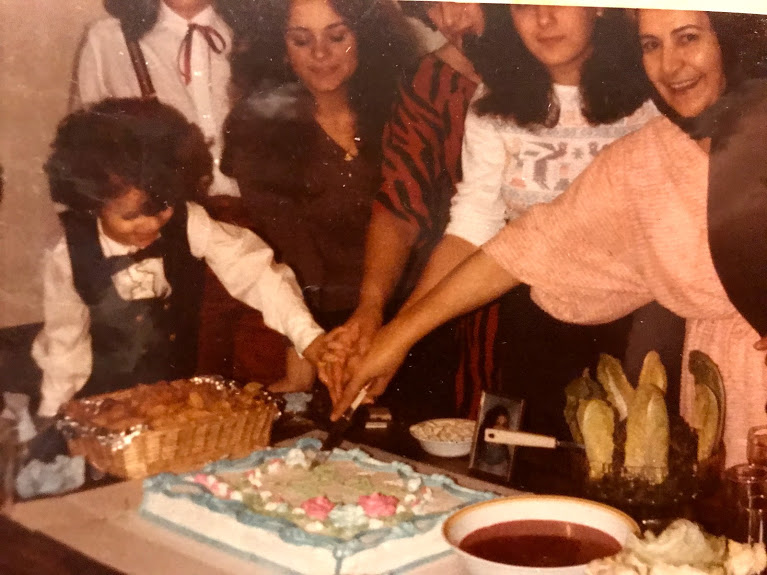
Everytime we would visit America again in few years, my aunts and uncles would be older, more well off and established, and everyone in newer houses. America would be a little changed. Eventually, by the late 80’s, everyone was living in Dearborn, mostly white city at that time, with nice cars, degrees, few kids running around, and professions. My grandmother remained the rock around which everyone gathered and she unified the family and brought wisdom and stability to the group.
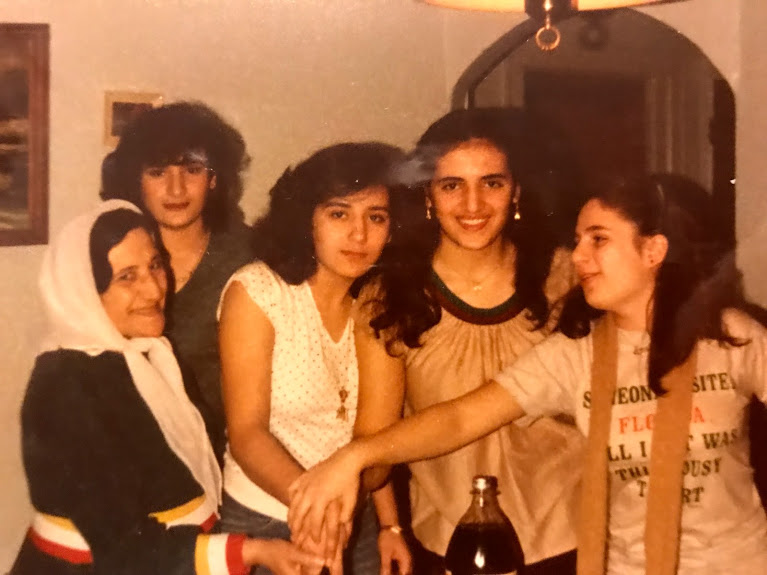
From Left to Right: Grandmother, Aunt Mona, Aunt Ghada, Aunt Iman, Cousin Amal




 Wissam Charafeddine