Thought of Today: July 07, 2018 at 06:53AM

My greatest epiphany of this year so far is that we (homosapiens) were better off as Hunters Gatherers and that the agricultural revolution 11,000 years ago was a bad thing that happened to us and to Earth.

1. We became domesticated and enslaved by crops and eventually by each other.

2. We lost the sense of freedom and mindfulness.

3. We had to work more hours, in straneous positions that had tolls on our bodies, and very boring jobs (while hunting was fun for men and gathering was fun for women).

4. We grew at unhealthy proportions, acquiring diseases, over population, and competition which made us loose our quality of life.

5. We grew far from communial societies, which brought us depression, anxiety, loneliness, and always missing someone that we love. We used to be always together with everyone we loved all the time.

6. We divided earth into monopolized properties and restricted human flow.

7. We created a construct of religions and kingdoms and social structures that added nothing but hatred and stress to our being.

8. More to come
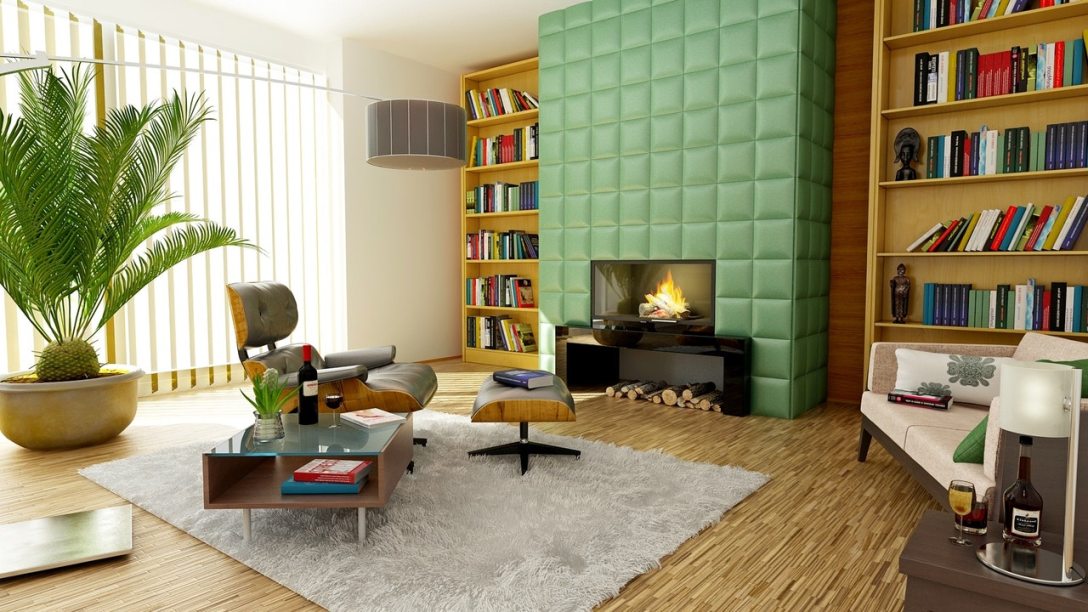
27 Rules of Design

  1. Dining Seating Space: Each seat should have a minimum of 24 inches of space at the table (30 inches if you want extra elbow room).Ā For circular tables, find the circumference of your table and divide by 24 inches to determine how many chairs will fit around it.
  2. Ā Extra Chairs:Ā Buy a couple of extra chairs, and pull them out for larger dinner parties. If you warn your guests ahead, most people don’t mind squeezing in to accommodate larger groups.
  3. “When hanging your own curtains, hang your curtain rod six inches wide and 12 inches high past the window frame. This will make your windows feel larger and maximize natural light—especially in the warmer summer months when you want to let all the light into your home.”Ā Shelby Girard, head interior designer at Havenly.
  4. One gallon of paint will cover approximately 400 square feet
  5. “A dining room’s fixture should be one-third to two-thirds the width of the table”,Ā  Trunck,Ā Ā HavenlyĀ designer.
  6. Size of Chandelier:Ā A handy equation is to add the width and length of your room in feet. That total would be the recommended width of your chandelier, in inches.
  7. Ā “When choosing your art, consider something at least 36 inches wide for above a sofa. When in doubt, the bigger the better!”Trunck,Ā Ā HavenlyĀ designer.
  8. Never hang art higher than eye-level, but you can break the rule byĀ leaning art against the wallĀ either on the floor or on a piece of furniture for a relaxed look.
  9. Light fixtures:Ā Go extra big to really make a statement in a room, or swap your single chandelier for two light fixtures when dealing with an extra-long dining table.
  10. Ā Save on paint by painting only the lower half of your wall and leaving the higher half white. Your windowsills are a good guide when choosing how high to paint.
  11. Never ever hang your curtains lower than suggested, but you can always go higher. Hang your curtains jut a few inches below the ceiling to really give a sense of height to your room—just make sure they also reach the floor. No one likes curtains that fall short.
  12. “When it comes to sizing out your living room rug, the rug should be large enough to fit under at least the front two feet of your furniture, with the long side of the rug parallel to your sofa,” Girard,Ā Ā HavenlyĀ designer.
  13. Ā If you’ve fallen in love with a rug that doesn’t come in the size you need (or a size you can afford), cheat byĀ layering the rugĀ on top of a less expensive natural woven rug like a jute rug—that way, your rug won’t feel like a postage stamp in the middle of your room.
  14. “Typical seat height for dining room chairs is 18 inches and for dining room tables is 30 inches tall,” says Girard
  15. Ā “Always mix materials and add texture—metal mixed with wood, or rattan or natural woven fabrics with lacquered furniture or walls, for example,”Ā Charleston, South Carolina–based interior designerĀ Angie Hranowsky
  16. “Be sure to have light coming from multiple sources, not just overhead. Find creative places for an extra floor lamp, sconce, or empty corner where a small table lamp could reside for added glow.”
  17. “Don’t be afraid to take some chances to make bold statements, updating classic, timeless elements to make them currentĀ and your own,”Ā interior designerĀ Grant K. Gibson.
  18. “Anytime you’ve got brick walls and they’re keeping you from using the color scheme you really want, kick that brackish brownish-red to the curb by painting the brick white,” saysĀ Brian Patrick Flynn of Flynnside Out Productions.
  19. Ā “Measure twice, buy once” is the mantraĀ Jennifer Jones ofĀ Niche InteriorsĀ adheres to.
  20. “Use every square inch of space in creative ways—especially in a small home where you can’t have a lot of clutter. Include pieces thatĀ are as functional as they are sculptural and interesting,”Ā Ā Los Angeles–based interior designer Jeff AndrewsĀ 
  21. Ā “There should always be a hierarchy of elements within the space, even the most maximalist rooms should possess a cohesive dialogue with well-balanced, thoughtful dimensions.”Ā Ā Kelly Wearstler
  22. Ā “The only real rule in decorating is to buy things that you love.”Ā Ā Lilly Bunn
  23. “One should always enhance a space’s natural atmosphere. When in doubt, make a dark room darker,” saysĀ San Francisco interior designer Scot Meacham Wood.
  24. The 3/3 vertical rule

    McCauley’s concept works like this: if nature were a framed viewpoint, the darkest colors would be found towards the ground. (Think dark grasses, stones, and mud.) Meanwhile, the medium tones of trees and plant life would be in the middle. Lightly-toned skies would round out the top of the frame.

  25. The 10-30-60 rule

    With this rule, you’ll end up choosing a dominant shade, a secondary shade, and an accent color.Ā As the name of this rule suggests, your dominant shade will cover about 60% of the room. Since it plays such a large role in your design, you may want this to beĀ your mostĀ neutral choice. The dominant shade is a good choice for things like your wall color and floor coverings. Then, your secondary shade can be a bit bolder and is usually fit for furniture. Finally, your accent color is your boldest choice and can be found in accessories.

  26. The rule of threes

    Odd-numbered groupings create more visual interest than even numbered groupings. In particular, three seems to be the ideal number for a grouping as opposed to one, five, or even seven because the former might feel too simple while the latter two run the risk of appearing overly cluttered.

  27. Avoid Clutter

Thought of Today: June 15, 2018 at 05:41PM

ā€œŲ·ŲØ ŁƒŁ†ŲŖŁˆŲ§ Ł„ŁŠŁ‡ ŲØŲŖŲ¹Ł„Ł…ŁˆŁ†Ų§ نحفظ البِرّ ŁˆŲ¬Ł…Ų§ŁŠŁ„Ł‡ŲŸ

Ų·ŲØ ŁƒŁ†ŲŖŁˆŲ§ Ł„ŁŠŁ‡ ŲØŲŖŲ¹Ł„Ł…ŁˆŁ†Ų§ Ł†ŁƒŲ±Ł‡ الظلم ŁˆŲ¹Ł…Ų§ŁŠŁ„Ł‡ŲŸ

لمّـا Ų§Ł†ŲŖŁˆ Ł†Ų§ŁˆŁŠŁŠŁ† ŲŖŲ³Ų¬Ł†ŁˆŁ†Ų§ في أرضنا..

ŁƒŲ§Ł† Ų„ŁŠŁ‡ Ł„Ų²ŁˆŁ… العلم ŁˆŁ‡Ł…ŁˆŁ…Ł‡ ŁˆŲ±Ų²Ų§ŁŠŁ„Ł‡ŲŸ

Ų·ŲØ ŁƒŁ†ŲŖŁˆ Ų³ŲØŲŖŁˆŁ†Ų§ ŲØŁ‡Ų§ŁŠŁ….. ŁƒŁ†Ų§ Ł†ŁŁ…Ł’Ł†ŁŽŁ€Ł€Ų§ Ł…Ų±ŲŖŲ§Ų­ŁŠŁ†!

؄زاي أبيع أرضي، وعارف ؄ن Ų¬Ų³Ł…ŁŠ أصله Ų·ŁŠŁ†ŲŸā€

هؓام الجخ

ثلاث خرفان

Thought of Today: June 13, 2018 at 07:02PM

ā€œIn fact, monotheism, as it has played out in history, is a kaleidoscope of monotheist , dualist, polytheist, and animist legacies, humbling together under a single divine umbrella.

The average Christian[/Muslim] believes in the monotheist God, but also in the dualist Devil, in polytheist saints, and in animist Ghosts.

Scholar of religion have a name for this simultaneous avowal of different and even contradictory ideas and the combination of rituals and practices taken from different sources.

It is called syncretism. Syncretism might in fact be the single great world religion.ā€

#Sapiens