
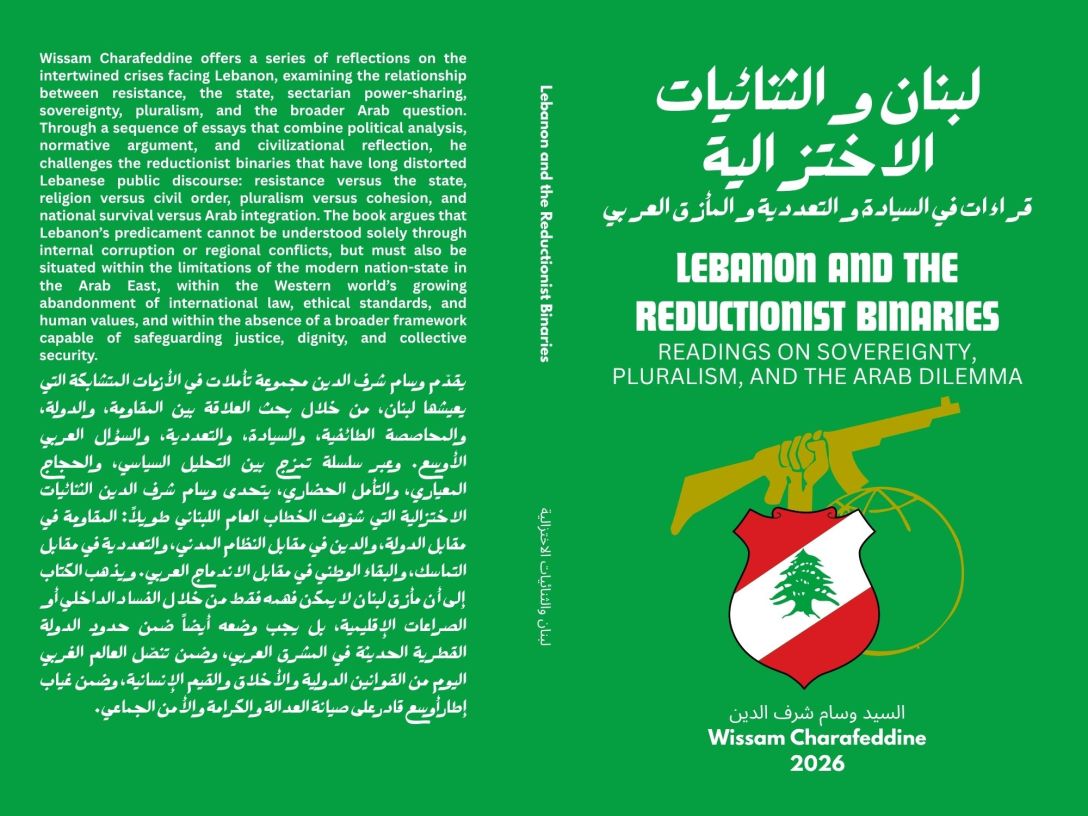
قراءات في السيادة والتعددية والمأزق العربي
١. حزب الله حزب لبناني
حزب الله هو حزب سياسي لبناني إسلامي شيعي، تأسس من قبل لبنانيين عام ١٩٨٢ ويؤمن بأيديولوجية الولي الفقيه وهي أيديولوجية إسلامية تعتبر ولاية وحاكمية الفقيه الجامع للشرائط في زمن الغيبة في قيادة الأمة.
لا يوجد أي دليل على خروج قرارته السياسية والعسكرية عن إرادته، رغم أنه من ناحية شرعية، يعتبر المرجعية الشرعية للولي الفقيه ملزمة وضرورية لإبراء الذمة في العمل الديني، وكل العمل السياسي والعسكري والاجتماعي جزء من العمل الديني، إلا أنه لا دليل على تدخل الولي الفقيه في القرارات المحلية، وهو من ناحية دينية دائماً يرجح مصلحة المسلمين وهم جميعاً متساوين في عينه، فكون الولي الفقيه يعيش في إيران، لا يعني بأن رأيه الديني يرجح مصلحة القطر الذي يعيش فيه. وتاريخ المرجعية الشيعية واضح في خروجه عن حدود الجغرافيا. السيد خامنئي رحمه الله هو تركي الإثنية، ومجلس الخبراء الذي يعين ويعزل ويراقب الولي الفقيه مكون من ٨٨ مجتهد من مختلف الأعراق والبلاد.
نعم مرّ الحزب بمراحل تطورت فيه أهدافه ورؤيته واندماجه الوطني،
حزب الله ليس حزب إيراني. ولكنه جزء من محور المقاومة الذي تقوده وتموله إيران في العالم الإسلامي.
أي نظرة للحزب بأنه غير لبناني ينتقص من خيار وإرادة شريحة كبيرة من الشعب اللبناني الذي أفرزه، ولا يفيد في الحوار الوطني، لأنه انتقاص من وطنية أحد الأطراف.
نعم لك أن تختلف مع أدائه و لك أن تؤيده، ولكن ليس لك أن تخرجه من وطنيته ولبنانيته وحبه لوطنه.
٢. الدعم الإيراني لحزب الله ليس احتلالاً
كلمة الاحتلال ليست وصفاً عاطفياً ولا تهمةً إعلامية جاهزة؛ بل لها معنى قانوني دقيق، وإذا فُقد هذا المعنى تحوّل النقاش من القانون إلى الدعاية. التعريف القانوني للاحتلال حسب المادة 42 من لائحة لاهاي 1907 هو سيطرة دولة ما عسكرياً على أراضي دولة أخرى (أو جزء منها) قهرًا، ودخول جيوشها إليها.
فالمعيار هنا ليس وجود تمويل أو تسليح أو علاقة أيديولوجية، بل وجود سلطة فعلية مباشرة أو غير مباشرة على الأرض والإدارة والإقليم.
وعليه، فإن الدعم الإيراني لحزب الله—مهما اختلف الناس في تقييمه سياسياً أو أخلاقياً أو استراتيجياً—لا يرقى بذاته إلى وصف “الاحتلال” ما لم يثبت أن إيران وضعت لبنان أو جزءاً منه تحت سلطة جيشها، أو أنها صارت تمارس الحكم الفعلي على الإقليم اللبناني بدل الدولة اللبنانية. وحتى النقاشات القانونية الأحدث حول ما يسمى أحياناً “الاحتلال بالواسطة” أو “بالوكالة” لا تُسقط شرط السيطرة الفعلية على الإقليم؛ فهي لا تعتبر مجرد الدعم أو التنسيق أو التأثير كافياً، بل تبحث عن مستوى أعلى بكثير من التحكم والهيمنة الفعلية.
ثم إن العلاقة بين لبنان وإيران لم تكن، في أصلها، علاقة جيشٍ أجنبي ببلدٍ فاقد الإرادة، بل علاقةً رسميةً معلنة بين دولتين تربطهما قنوات دبلوماسية واتفاقات تعاون. فوزارة الاقتصاد اللبنانية تُدرج بين الاتفاقات الثنائية اتفاقاً إطارياً مع إيران وُقّع في أكتوبر/تشرين الأول 1997 وصودق عليه في نوفمبر/تشرين الثاني 1998. وفي السنوات الأخيرة أيضاً، تكررت التصريحات الرسمية اللبنانية والإيرانية حول توسيع التعاون الاقتصادي والتجاري، وعقد لجان اقتصادية مشتركة، والتعاون ضمن إطار السيادة والاحترام المتبادل. كما أن البيانات الوزارية التي أقرت ثلاثية الجيش والشعب والمقاومة، شرعنت عمل المقاومة ومحلها في خارطة الدولة، وأقرتها بيانات ٢٠٠٥و ٢٠٠٨ و ٢٠٠٩ وبقيت قائمة المفعول حتى إزالتها من البيان الوزاري الأخير عام ٢٠٢٥م .. فإذن الإمداد والدعم العسكري الإيراني لحزب الله كان مشرعناً وتحت غطاء الدولة وليس ضدها إلى حكومة نواف سلام الحالية.
هذا لا يعني أن كل تفصيلٍ في العلاقة محل إجماع لبناني، لكنه يعني أن المشهد ليس مشهد احتلال بالمعنى القانوني، بل مشهد علاقة دولة بدولة، وتحالفات وقوى داخلية وإقليمية متشابكة.
الأدق إذن أن يُقال: إن إيران دعمت حزب الله، وإن هذا الدعم كان جزءاً من مشروعٍ إقليمي أوسع، وإن اللبنانيين يختلفون جذرياً حول آثاره وحدوده ومشروعيته، لكن تحويل هذا كله إلى “احتلال إيراني للبنان” هو قفزٌ فوق التعريفات القانونية وقفزٌ فوق الوقائع. فالاحتلال شيء، والتحالف شيء، والدعم شيء، والنفوذ شيء آخر. ومن يخلط بينها، يخلط عمداً أو جهلاً بين المفاهيم ليكسب المعركة بالكلمات بعدما يعجز عن كسبها بالدقة، والمستفيد الوحيد في النهاية هي إسرائيل.
٣. لا يمكن فصل الهوية اللبنانية عن القضية الفلسطينية ولا جبل عامل عن الجليل الأعلى
انتزاع لبنان من رحم سوريا التاريخية لم يكن حدثًا طبيعيًا بسيطًا، بل جزءًا من عملية تقسيم استعماري أوسع للمنطقة بعد الحرب العالمية الأولى، ضمن الترتيبات الفرنسية البريطانية التي أعادت رسم حدود بلاد الشام.
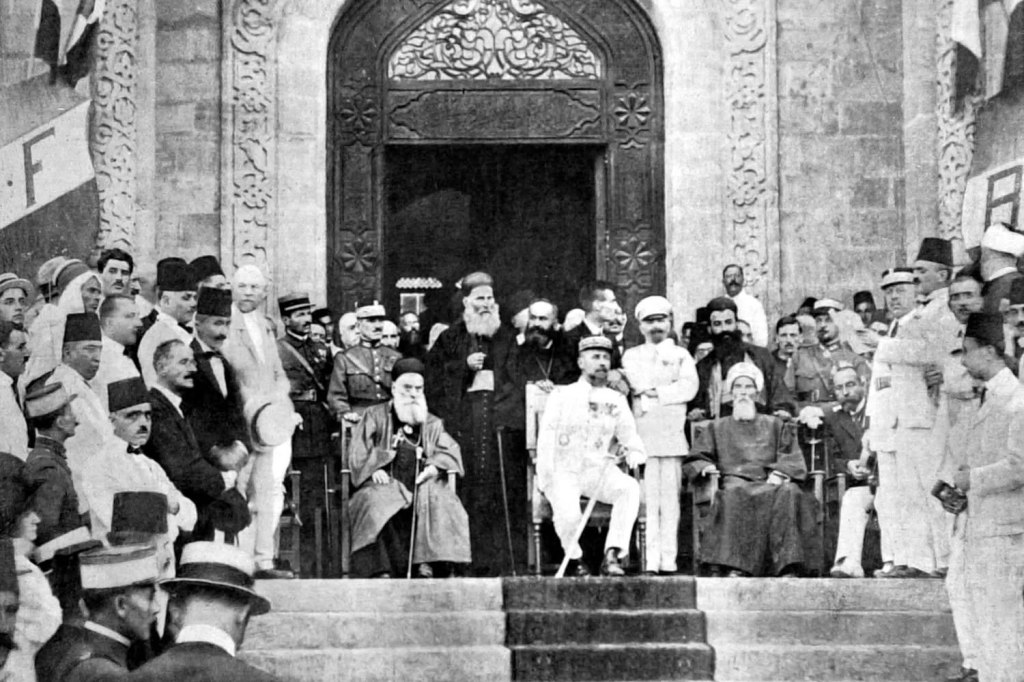
وكما كان “لبنان الكبير” نفسه مولودًا في مختبر الانتداب، وكان مرفوضاً من أهالي جبل عامل والقيادات السنية والشيعية إجمالاً وبعض الدروز والأرثدوكس والقليل من الموارنة، وفُرض عليهم بالقوة، فإن فصل جنوب لبنان، وبخاصة جبل عامل، عن امتداده الطبيعي نحو الجليل وفلسطين وسوريا لم يكن هو الآخر أمرًا طبيعيًا أو بديهيًا، بل تم في سياق إعادة رسم إداري وسياسي للحيز الجنوبي تحت الحكم الفرنسي لما فيه مصلحة فرنسا في تأمين المارونية السياسية حينها، وأن هذا الدمج لم يكن خاليًا من التردد والاعتراضات والثورات المحلية، بل دخل جبل عامل إلى “لبنان الجديد” وهو مثقل بالتهميش والقلق من البنية الجديدة للسلطة. كما تؤكد دراسات أخرى أن الحدود الجديدة قلّصت المجال العاملي التاريخي وأضعفت ترابطه القديم.
والأهم من ذلك أن الحركة الصهيونية نفسها كانت لديها منذ البداية أطماع حدودية أبعد شمالًا، شملت الجليل الأعلى وصولًا إلى السفوح الدنيا لنهر الليطاني، وكان الليطاني نفسه مطروحًا في التفكير الصهيوني كحدٍّ شماليٍّ مرغوب لفلسطين، لا سيما لأسباب مائية واستراتيجية منذ الأيام الأولى للهجرة الصهيونية إلى فلسطين.
ثم جاءت تسوية الحدود الفرنسية البريطانية في أوائل العشرينيات لتجعل المسألة أكثر اصطناعًا وأشد قسوة على الناس. حيث نقلت عشرات القرى من نطاق لبنان المنتدَب إلى فلسطين المنتدَبة، ومن أشهر ذلك القرى الشيعية السبع التي انتهى بها المطاف على الجانب الفلسطيني من الحدود بعد التعديل الحدودي لعام 1923، رغم أن سكانها احتفظوا زمنًا بروابطهم وانتماءاتهم اللبنانية. وهذا وحده يكشف أن الخط الفاصل بين لبنان وفلسطين لم يكن حدًا “طبيعيًا” بقدر ما كان خطًا استعماريًا تفاوضت عليه قوتان أجنبيتان فوق رؤوس الأهالي.
والحقيقة أن لبنان لا يمكنه أن ينجو من إسرائيل بإنكار فلسطين، كما لا يمكنه أن يصنع لنفسه حيادًا سحريًا في وجه مشروع استعماري توسعي لم يعترف يومًا بحدود العدوان الأخلاقية أو الجغرافية. فمن اقتلع شعبًا من أرضه، واحتل جنوب لبنان، وقصف بيروت، لا يصبح فجأة جارًا طبيعيًا لمجرد أن بعض اللبنانيين تعبوا من الصراع أو ضاقوا من أثمانه.
وهناك من يحاول أن يختزل الوطنية اللبنانية في معنى صغير، فقير، منزوع البعد التاريخي: أن تهتم فقط بالمصارف، والكهرباء، والوظائف، والبلديات، وكأن الوطن شركة خدمات لا كيانًا سياسيًا وأخلاقيًا يعيش في قلب إقليمٍ مشتعل. نعم، من حق اللبناني أن يطالب بدولة، وبخبز، وبكرامة معيشية، وبمؤسسات عادلة، وهذا حق أصيل لا جدال فيه. لكن الكارثة تبدأ حين يُقدَّم ذلك على أنه بديل عن فلسطين، أو حين تُصوَّر فلسطين كأنها العبء الخارجي الذي يجب التخلص منه لكي “يتعافى” لبنان.
إن لبنان لا يذوب في فلسطين، نعم، لكنه أيضًا لا ينفصل عنها. وهذه هي المعادلة الصحيحة. ليس المطلوب أن يُمحى الخاص اللبناني في العام العربي، ولا أن يُختزل لبنان إلى مجرد ملحق بقضية أكبر منه. المطلوب فقط أن يُفهم على حقيقته: كيانًا نشأ في السياق الاستعماري نفسه، وتكوّن في الجرح المشرقي نفسه، ويقع على خط التماس نفسه، ولا يستطيع أن يعرّف نفسه تعريفًا صادقًا إذا تعامل مع فلسطين كأنها خبر خارجي في نشرة المساء.
ومن هنا، فإن كل خطابٍ لبناني يريد بناء هوية وطنية على قاعدة التبرؤ من فلسطين، هو في جوهره خطابُ بترٍ للذاكرة، ومصالحةٍ مع الخريطة الاستعمارية، وانسجامٍ مع شروط العدو أكثر من انسجامه مع حقائق التاريخ. لا لأنه يحب لبنان أكثر، بل لأنه يفهم لبنان أقل. ومن أراد أن يصنع وطنيةً لبنانيةً ناضجة، فلا يبدأ بقطع الشريان الذي يربط لبنان بسياقه، بل يبدأ بفهم هذا السياق، وبإدراك أن فلسطين ليست عبئًا على هويته، بل جزءًا من اختبار صدقها.
فالذي يريد لبنان بلا فلسطين، يريد في الغالب لبنانًا بلا عمق، بلا ذاكرة، بلا بصيرة، وبلا فهمٍ حقيقي لمعنى أن تكون دولةً صغيرةً على حدود مشروع استيطانيّ توسعيّ لا يشبع.
إن اللبناني الذي يُنكر فلسطين لا يحمي لبنان، بل يفقد القدرة على فهم نفسه. وأن الوطنية التي تتأسس على النسيان، ليست وطنية، بل عطبٌ في الذاكرة والهوية.
٤. من حق اللبنانيين رفض حزب الله السياسي، لا المقاومة
من حقّ اللبنانيين أن يميّزوا بين المقاومة كحقٍّ وطني في مواجهة الاحتلال والعدوان، وبين حزب الله كحزبٍ سياسيٍّ لبنانيٍّ دخل السلطة وصار جزءاً من منظومة الحكم. فليس كل من يرفض أداء الحزب السياسي يكون رافضاً للمقاومة، كما ليس كل من يحترم المقاومة ملزماً بأن يمنح الحزب صكَّ براءةٍ أبدياً في الإدارة والحكم والتحالفات والمحاصصة. الخلط بين الأمرين مصادرة على حق الناس في المحاسبة.
لبنان ما بعد الحرب الأهلية لم يُبنَ على دولةٍ حديثةٍ عادلة، بل على تسوية بين أمراء الحرب أبقت نظام تقاسم السلطة الطائفي قائماً، ومنحت أكثرية أمراء الحرب عفواً سياسياً وعملياً أعاد إنتاجهم داخل الدولة بدل أن يطوي صفحتهم. وتصف تقارير دولية هذا الترتيب بأنه رسّخ الزبائنية والمحسوبية والشلل السياسي والفساد وضعف المحاسبة، وجعل الإصلاح والتجديد السياسيين يدفعان الثمن دائماً.
وحزب الله لم يبقَ خارج هذه المنظومة إلى الأبد. فمنذ الألفينيات صار واحداً من أبرز القوى السياسية في لبنان، ودخل أول حكومة يشارك فيها عام 2005، ثم اندمج أكثر فأكثر في معادلات الحكم والتسويات والتحالفات. وقد أشارت تحليلات كارنيغي بوضوح إلى أن دخوله حكومة ما بعد الانسحاب السوري عام 2005 حوّله إلى شريك كامل في الطبقة السياسية الفاشلة، بعد أن كان يستطيع سابقاً أن يقدّم نفسه بوصفه خارج فساد السلطة اليومية. كما أن إدماج خطاب “المقاومة” في البيان الوزاري للدولة منح الحزب غطاءً سياسياً، لكنه في الوقت نفسه ربطه مباشرةً بمسؤولية النظام الذي صار جزءاً منه.
لذلك، فمن حق اللبناني أن يقول بوضوح: أنا لا أرفض مقاومة الاحتلال الإسرائيلي، لكنني أرفض حزب الله حين يصبح جزءاً من سلطة الفساد والمحاصصة والتعطيل وتقاسم النفوذ داخل الدولة. وهذا ليس تناقضاً، بل تمييزٌ صحيّ بين الوظيفة التحررية والممارسة السلطوية. فالحزب الذي يدخل البرلمان والحكومة، ويتحالف، ويعطّل، ويساوم، ويغطي هذا الفريق أو ذاك، لا يعود فوق النقد لأنه حمل السلاح يوماً ضد العدو. من يدخل السلطة يدخل معها باب المساءلة.
وليس في هذا انتقاص من تضحيات المقاومين، بل على العكس: إن أكبر إساءة إلى فكرة المقاومة هي أن تُستعمل درعاً لحماية الفساد أو حجةً لإسكات الناس أو مظلةً لتمديد عمر نظامٍ خنق لبنان. الدم الذي سُفك في مواجهة الاحتلال لا يجب أن يتحول إلى شيكٍ مفتوح للسياسة الداخلية، ولا إلى حصانة أخلاقية ضد المحاسبة. فالمقاومة تكتسب شرفها من دفاعها عن الوطن، لا من إعفاء حزبٍ سياسي من نتائج مشاركته في خراب الدولة.
ومن هنا، فإن رفض حزب الله سياسياً لا يعني خيانةً ولا عمالةً ولا عداءً للمقاومة. قد يكون، في كثير من الأحيان، محاولةً لإنقاذ معنى المقاومة نفسه من أن يُبتلع داخل مستنقع المنظومة اللبنانية التي قامت منذ نهاية الحرب على اقتسام الدولة لا على بناء الدولة. ومن حق اللبنانيين، بل من واجبهم، أن يرفضوا أي طرف—مهما كان تاريخه، ومهما كانت شعاراته—إذا صار شريكاً في نظام المحاصصة الذي جثم على صدر لبنان عقوداً طويلة. فالوطن لا يُبنى بالمقدسات الحزبية، بل بالمحاسبة. وفي الآن ذاته، يجب هذا النقد أن لا يؤثر على قداسة ووطنية ووجوب دعم الجناح المقاوم في الحزب في وجه الاستعمار والاحتلال والإرهاب الإسرائيلي.
فكما أنّ الحزب قرّر الخروج من التعريف المانع للسيد عباس الموسوي لماهيته كمقاومة فقط، إلى ماهية أكبر وأعقد، إقليمياً وسياسياً، فقد اختار أن يكون جناحه السياسي الجديد ومشاركته السياسية في دولة هي من الأفسد في تاريخ العالم، تحت نيران الانتقاد ومخاطرة في أن تقع ضمن المنظومة الظالمة للشعب اللبناني والمخربة لدولته، وهكذا وقع انطباعها للكثير من الشعب اللبناني، وعبروا عن ذلك في ثورة ١٧ تشرين تحت شعار #كلن_يعني_كلن
٥. لا يجوز تخوين من يطالب بحصرية السلاح بيد الدولة وإن كان التوقيت سيئاً
من حقّ اللبنانيين أن يختلفوا سياسياً حول السلاح، ودور المقاومة، وحدود وظيفة الدولة، من دون أن يتحوّل هذا الاختلاف تلقائياً إلى تهمة خيانة. فالمطالبة بحصرية السلاح بيد الدولة ليست جريمة فكرية، ولا خروجاً من الوطنية، بل موقف سياسي مشروع يدخل في صلب النقاش العام حول شكل الدولة ومستقبلها. ومن يطالب بأن يكون قرار القوة النهائية بيد الدولة، فهو لا يخرج من الوطنية، بل يعبّر عن تصوّر معيّن للدولة والسيادة والمسؤولية الدستورية.
ثم إن هذا المطلب لا يأتي من فراغ، بل يجد له أساساً في منطق الدولة نفسها، وفي اتفاق الطائف، وفي فكرة أن الأصل في الأوطان أن تكون القوة النهائية والقرار النهائي في الحرب والسلم ضمن مؤسسات الدولة لا خارجها. ولذلك، لا يجوز تخوين من يطرح هذا الرأي، كما لا يجوز نزع وطنيته أو تصويره عميلاً لمجرد أنه يختلف في مقاربة مسألة السلاح ووظيفته ومآله. فهذه ليست مسألة إيمان وكفر، ولا مسألة شرف وخيانة، بل مسألة سياسية كبرى تحتمل النقاش والاختلاف والاجتهاد.
لكن، في الوقت نفسه، يجب التمييز بين حق النقاش وبين توقيت النقاش. فإثارة مسألة نزع السلاح في قلب الحرب، وتحت النار، وأمام عدوان قائم، ليست في وجدان الناس ولا في منطق المعركة نقاشاً سيادياً بارداً، بل تبدو طعناً في ظهر المقاوم وهو في الميدان. أثناء الحرب، لا يجوز أن تتحول الخلافات الداخلية إلى عبء على من يقاتل دفاعاً عن الوطن والأرض والعِرض في وجه أقذر احتلال عرفه التاريخ. ففي لحظة المواجهة، يجب أن تتجه الألسنة والأيدي إلى دفع المقاوم إلى الأمام، وإلى الدفع عنه، وحمايته سياسياً ومعنوياً وشعبياً، لأنه لا يقاتل عن نفسه فقط، بل يقاتل نيابة عن الوطن كله، وعن الأرض كلها، وعن كرامة الناس جميعاً.
ومن هنا، فإن تأجيل النقاش حول نزع السلاح إلى ما بعد الحرب ليس إلغاءً للنقاش، ولا مصادرةً على حق الناس في طرح الأسئلة الكبرى، بل هو انضباط وطني وأخلاقي في فهم الأولويات. فلكل مقام مقال، وليس من الحكمة ولا من الوفاء أن يُفتح نزاع الداخل على مصراعيه بينما العدو على الأبواب، يقتل ويقصف ويدمّر. أما النقاش في الاستراتيجية الدفاعية، وحصرية السلاح، وشكل الدولة بعد انتهاء المعركة، فله مقام آخر، وتوقيته الطبيعي يكون بعد انقشاع الخطر المباشر، لا فيما العدو يطرق الأبواب بالنار والدم.
وهذا لا يعني أن كل من يدافع عن بقاء سلاح المقاومة خائن للدولة، كما لا يعني أن كل من يطالب بحصرية السلاح بيد الدولة خائن للمقاومة. هنا بيت القصيد. في لبنان، جرى تخريب النقاش العام طويلاً عبر تحويل كل خلاف سياسي إلى محكمة نوايا: إن انتقدت الحزب قيل إنك ضد المقاومة، وإن دافعت عن المقاومة قيل إنك ضد الدولة. والحقيقة أن المجال الوطني الأصح هو أن يُسمح للناس بأن يناقشوا: متى تكون المقاومة ضرورة؟ ومتى يجب أن تندمج وظائف القوة كلها في الدولة؟ هذه أسئلة سياسية كبرى، لا أسئلة ولاء وخيانة. والخلط بينها لا يخدم إلا من يريد إسكات النقاش بالعاطفة بدل مواجهته بالحجة.
لذلك، لا يجوز تخوين من يطالب بحصرية السلاح بيد الدولة، لأن هذا المطلب ليس إعلان حرب على المقاومة، بل تعبير عن تصور معيّن للدولة والسيادة والمسؤولية. ويجوز، في المقابل، أن يُناقش هذا المطلب ويُعارَض ويُنتقد، لكن لا أن يُجرَّم أخلاقياً أو وطنياً لمجرد أنه خالف سردية فريق آخر. فالأوطان لا تُدار بالتخوين المتبادل، بل بالقدرة على التمييز بين العدو الخارجي وبين الخلاف الداخلي المشروع. ومن لا يحتمل اختلافاً في الوسيلة، لا يبني دولة؛ هو فقط يطلب إجماعاً قسرياً باسم الوطن، وهذه عادةً بداية تفكك الوطن لا سيادته.
٦. لا يجوز أيضاً تخوين من يعتبر سلاح المقاومة ضرورة ما دام خطر إسرائيل قائماً
كما لا يجوز تخوين من يطالب بحصرية السلاح بيد الدولة، لا يجوز أيضاً تخوين من يرى أن سلاح المقاومة ما زال ضرورةً ما دام الخطر الإسرائيلي قائماً، وما دامت الدولة اللبنانية عاجزةً وحدها عن توفير الردع الكافي والدفاع الفعّال عن الأرض والسيادة والناس. فهذا الرأي، سواء اتفقنا معه أو اختلفنا، ليس بالضرورة رأياً خارج الوطنية، ولا موقفاً معادياً للدولة، بل قد يكون في نظر أصحابه تعبيراً عن قراءة واقعية لتاريخ لبنان وجغرافيته وموازين القوى المحيطة به.
فلبنان لم يكن في يومٍ من الأيام في جوارٍ طبيعي آمن مع كيانٍ عاديّ يحترم الحدود والقانون والسيادة. بل هو في مواجهة عدوٍّ قام، منذ نشأته، على العدوان والتوسع والاحتلال والاغتيال والاجتياحات والتدمير والإرهاب المنظّم والإهمال لجميع القوانين الدولية والمعايير الأخلاقية وحقوق الإنسان. ولذلك، فإن اللبناني الذي يرى أن هذا العدو لم يتغيّر في جوهره، وأن أطماعه لم تنتهِ، وأن الردع معه ليس ترفاً فكرياً بل ضرورة وجودية، لا يمكن اختزاله في صورة المتآمر على الدولة أو المتآمر على السلم الأهلي. هو، في كثير من الأحيان، ينطلق من خوفٍ على لبنان، لا من حقدٍ عليه.
ثم إن الدعوة إلى الإبقاء على سلاح المقاومة لا تعني بالضرورة رفض الدولة من حيث المبدأ، ولا الرغبة في إلغائها، بل قد تعني عند كثيرين أن الدولة، بصيغتها الحالية، لم تبلغ بعد مستوى القدرة الفعلية على تحمّل عبء المواجهة وحدها. فحين تكون الدولة مخترقة، ضعيفة، مفككة، مرتهنة للتوازنات، عاجزة عن اتخاذ القرار الحاسم أو عن امتلاك وسائل الردع الكافية، يصبح من الطبيعي أن يرى قسم من اللبنانيين أن التخلي عن عناصر القوة المتوفرة هو نوع من السذاجة السياسية، أو مقامرة خطيرة بأمن الوطن ومصيره.
وهنا أيضاً يجب أن نفرّق بين النقاش المشروع والتخوين السهل. فمن حق أي لبناني أن يقول: لا أثق بإسرائيل، ولا أثق بالضمانات الدولية، ولا أرى أن الدولة اللبنانية قادرة اليوم على أن تحلّ محلّ المقاومة بالكامل، ولذلك أعتبر بقاء سلاح المقاومة ضرورةً مؤقتة أو مستمرة ما دام الخطر قائماً. هذا موقف سياسي قابل للنقاش والاعتراض، لكنه ليس خيانة. بل إن تخوينه على هذا الأساس لا يقلّ ظلماً عن تخوين من يطالب بحصرية السلاح بيد الدولة. ففي الحالتين، نحن أمام رأيين سياسيين ينبعان من تصوّرين مختلفين لحماية لبنان، لا أمام خائن ووطني.
غير أن إنصاف هذا الرأي لا يعني منحه حصانة مطلقة، ولا يعني إعفاءه من الأسئلة الكبرى. فمن يرى سلاح المقاومة ضرورة، عليه أيضاً أن يجيب: كيف يُضبط هذا السلاح وطنياً؟ وكيف لا يتحوّل من أداة ردع ضد العدو إلى عنصر انقسام داخلي؟ وكيف يبقى في خدمة الدفاع عن لبنان لا في خدمة تشابكات السلطة والمحاور؟ وكيف يُمنع من أن يُستعمل لتغطية فساد الداخل أو شلل الدولة أو إدامة نظام المحاصصة؟ فالقول بضرورة السلاح شيء، والسكوت عن كل ما يتصل به شيء آخر.
وبالمثل، على من يرفض هذا السلاح أن يفهم أن خصمه ليس بالضرورة عاشقاً للفوضى أو كارهاً للدولة، بل قد يكون إنساناً يرى أن الحديث عن نزع القوة في ظل التهديد الإسرائيلي الدائم يشبه طلب نزع الباب فيما اللص ما زال يحوم حول البيت. وهذا ما أثبتته قوى الاستعمار والعدو الصهيوني ليلا ونهارا في كل مرة نزع سلاح مقاومة ما أو هجر المجاهدون إلى مكان آخر.
فالخلاصة أن الوطن لا يُحمى بالتخوين المتبادل، بل ببناء مساحة وطنية تعترف بأن لبنان يعيش معضلة حقيقية بين ضرورة الدولة وضرورة الردع، بين الحلم بدولة تحتكر السلاح، والواقع الذي يجعل كثيرين يخشون أن يسبق نزع السلاح بناءَ الدولة القادرة، فيصبح الوطن عارياً أمام عدوّ لا يرحم كما نرى بأم أعيننا. ومن هنا، لا يجوز تخوين من يعتبر سلاح المقاومة ضرورة ما دام خطر إسرائيل قائماً، كما لا يجوز تخوين من يطالب بأن ينتهي هذا الاستثناء يوماً داخل دولة عادلة وقوية وقادرة. القضية ليست من يحب لبنان ومن يكرهه؛ القضية هي كيف نحميه من الخارج، وكيف نبنيه من الداخل، من دون كذب على النفس، ومن دون ذبح الحقيقة على مذبح الشعارات.
٧. مشكلة لبنان أكبر من حجمه، وحلُّها أيضاً أكبر من حجمه: الدولة العربية المنتظرة
لبنان، بحجمه الجغرافي والديمغرافي والاقتصادي، ليس بلداً يملك ترف العيش معزولاً عن محيطه، ولا قدرة له على أن يؤمّن وحده كل شروط سلامته في منطقة تتكسّر فيها الدول الصغيرة إذا تُركت منفردة بين أفواه الوحوش. وتاريخ لبنان الحديث نفسه يكشف بلداً أنهكته التدخلات الخارجية، والحروب بالوكالة، وتفتّت الدولة، فيما لا يزال اقتصاده ومؤسساته يعيشان هشاشةً عميقة حتى في لحظات “التعافي” المعلن. هذه ليست إهانة للبنان، بل وصفٌ لمعضلة بلدٍ حُمّل ما هو أكبر من طاقته، ودُفع مراراً ليكون ساحةً لصراعات الآخرين.
ومن هنا، فإن مشكلة لبنان ليست فقط مشكلة فسادٍ داخلي، ولا فقط مشكلة إسرائيل، ولا فقط مشكلة طائفية، بل هي أيضاً مشكلة كيان صغير يُطلب منه أن يوفّر لنفسه وحده ضمانات البقاء في محيطٍ لا يرحم. ولهذا فإن حلّ لبنان لا يمكن أن يكون لبنانياً صرفاً بالمعنى الضيق، وكأن هذا البلد جزيرة في بحر هادئ. فالحل الحقيقي أكبر من حجمه وإمكاناته، لأنه يحتاج إلى عمقٍ استراتيجيٍّ حضاريٍّ وسياسيٍّ واقتصاديٍّ وأمنيّ لا يملكه وحده. وما لا يملكه البلد الصغير منفرداً، قد يجده في كيانٍ عربيٍّ كبير، أو عربيٍّ إسلاميٍّ متماسك، قادرٍ على أن يوفّر له المظلّة والردع والسوق والامتداد والضمانة. لأن الكيان الاستعماري الخارجي لا يمكن أن يملك نية لمصلحة لبنان فوق مصلحة الاستعمار، ومصلحة الباخرة الحربية الاستعمارية الدائمة التي تسمى إسرائيل التي زرعها الاستعمار في منطقتنا.
إن الدولة العربية المنتظرة، أو الإطار العربي ـ الإسلامي القوي، ليست في هذا التصور حلماً رومانسياً ولا حنيناً خطابياً، بل جواباً على مأزقٍ بنيوي: كيف يعيش لبنان آمناً وهو أضعف من أن يردع وحده، وأصغر من أن يكتفي وحده، وأكثر انكشافاً من أن يُترك وحده؟ إن الكيان العربي الكبير، إذا قام على العدل والمؤسسات والحرية والتكامل، لا يبتلع لبنان، بل يحميه؛ لا يمحو خصوصيته، بل يرفع عنه عبء القلق الوجودي الدائم؛ لا يصادر تعدديته، بل يعطيها ظهرًا صلباً يحرسها من الافتراس الخارجي.
ولذلك، فحين نقول إن حلّ لبنان هو الدولة العربية المنتظرة، فنحن لا نهرب من بناء الدولة اللبنانية، ولا نستبدل الإصلاح الداخلي بحلم خارجي، بل نقول إن الإصلاح الداخلي وحده لا يكفي لبلدٍ عاش طويلاً على خط الزلازل الجيوسياسية. فلبنان يحتاج إلى دولة عادلة في الداخل، نعم، لكنه يحتاج أيضاً إلى أمّةٍ حاضنة في الخارج؛ يحتاج إلى قضاءٍ نزيه ومؤسساتٍ فاعلة، نعم، لكنه يحتاج كذلك إلى عمقٍ عربيٍّ أو عربيٍّ إسلاميٍّ قوي يمنع أن يبقى لقمةً سائغة للعدو الإسرائيلي، وللاختراق الدولي، ولابتزاز الجغرافيا. وهذا المعنى ينسجم مع دراسات إقليمية تؤكد أن التكامل العربي الأوسع يمكن أن يوفّر كتلةً أقدر على حماية الحقوق والمصالح، وعلى تعزيز الاستقرار والتعاون في مجالات حيوية تتجاوز قدرة الدولة المنفردة.
فالمسألة، في جوهرها، ليست أن لبنان فشل لأنه لبنان، بل أنه طُلب منه أن يحمل وحده ما لا تحمله إلا الكيانات الكبيرة: الردع، والنجاة الاقتصادية، والتوازن الجيوسياسي، والحماية الحضارية، وإدارة التعدّد تحت تهديد دائم. وهذا حملٌ فوق الطاقة. ومن هنا، فإن من يفكر في إنقاذ لبنان تفكيراً عميقاً لا يجوز أن يبقى أسيراً لحدوده الضيقة فقط، بل يجب أن يفكر في الدوائر الأكبر التي تجعل بقاءه ممكناً. فلبنان، لكي يبقى حراً وكريماً ومتعدداً، قد يحتاج إلى ما هو أكبر من لبنان: إلى دولة عربية منتظرة، أو إلى كيان عربي ـ إسلامي قوي، يؤمّن له ضمانات السلامة التي عجز حجمه المنفرد عن تأمينها.
فالخلاصة أن لبنان ليس مشكلته أنه صغير فقط، بل أن أعداءه كبار، ومحيطه مشتعل، ودولته ضعيفة، وعالم اليوم لا يرحم الوحدات المنفردة. لذلك، فإن الخروج من المأزق لا يكون فقط بترقيع الداخل، بل أيضاً ببناء أفقٍ أكبر من الداخل نفسه. لا يكفي أن نسأل: كيف نصلح لبنان؟ بل يجب أن نسأل أيضاً: في أي فضاءٍ أكبر يمكن للبنان أن ينجو ويزدهر ويُحمى؟ وهناك، بالضبط، يبدأ معنى الدولة العربية المنتظرة الذي عنوت فيه كتابي الصادر عام ٢٠٢٢.
وها هي مبادرات لناتو إسلامي وتحالف خليجي بدأت بالتبلور بعد ما أثبتت القواعد العسكرية الأمريكية في المنطقة بأنها هناك فقط لحماية إسرائيل … وأن كل أبناء الخليج، على رأي أحد الشخصيات السياسية القطرية، لا يساوون عند أمريكا برميل نفط واحد. وبعد أن أثبتت علاقة لبنان بفرنسا بأنها علاقة عقيمة، لا تأتي بشيء غير أحلام الحماية وواقع الضرر.
٨. الدولة العربية المنتظرة لا تُلغي خصوصية لبنان، بل قد تكون ضمانتها الحقيقية
يظنّ بعض اللبنانيين أن أي حديث عن الدولة العربية المنتظرة، أو عن كيان عربي أو عربي ـ إسلامي أكبر، يعني تلقائياً ابتلاع لبنان، ومحو خصوصيته، وإذابة تعدديته الثقافية والدينية والسياسية في كتلةٍ أكبر منه. وهذا الخوف مفهوم في بلدٍ عاش طويلاً على هواجس العدد، والطائفة، والتوازن، والذاكرة الجريحة. لكن هذا التصور ليس لازماً، ولا هو الحقيقة الوحيدة الممكنة. فالمشكلة ليست في الكِبَر بحدّ ذاته، بل في نوع الكيان الأكبر: هل هو مشروع هيمنة وابتلاع، أم مشروع عدلٍ وتكاملٍ وضمانات؟
لبنان لا يحتاج إلى من يمحوه، بل إلى من يحمي شروط وجوده. وخصوصية لبنان، في جوهرها، ليست في أن يبقى ضعيفاً، ولا في أن يبقى معلقاً على خوف طوائفه من بعضها، ولا في أن يبقى ساحةً مفتوحة لكل اختراق خارجي. خصوصيته الحقيقية هي في تعدديته، وحيويته الثقافية، وحريته الفكرية، ودوره الحضاري، وقدرته على جمع المختلفين في مساحة واحدة. وهذه الخصوصية لا يحميها الضعف، بل يحميها ظهرٌ قوي. فالكيانات الصغيرة لا تحفظ تعدديتها إذا تُركت عارية، بل إذا وُجد حولها أو فوقها إطار أكبر يضمن أمنها ويمنع سحقها.
ومن هنا، فإن الدولة العربية المنتظرة، إن قامت على المؤسسات والحقوق واللامركزية والتمثيل العادل واحترام الخصوصيات المحلية، لا تكون نقيضاً للبنان، بل سنداً له. هي لا تأتي لتقول للبنان: كن نسخةً عن غيرك. بل لتقول له: ابقَ نفسك، ولكن داخل فضاءٍ أكبر يحميك من أن تُفتَك بك وأنت وحيد. فكما أن الفرد لا يفقد شخصيته حين يعيش في دولة عادلة، كذلك لا تفقد الأقاليم والمجتمعات خصوصيتها حين تنتمي إلى كيان أوسع يضمن حقوقها ويصون تنوعها. الذي يقتل الخصوصية ليس الاتحاد العادل، بل الاستبداد؛ وليس الانتماء إلى كيان أوسع، بل الذوبان القسري. وهذان ليسا قدراً لازماً لأي مشروع وحدوي.
بل يمكن القول إن لبنان، بتركيبته المعقدة نفسها، قد يكون من أكثر البلدان حاجةً إلى إطار أكبر يخفف عنه العبء الوجودي. لأن كثيراً من أزماته لم تنبع فقط من تنوعه، بل من خوف هذا التنوع، ومن شعور كل جماعة بأنها تحتاج إلى راعٍ خارجي يحميها من الجماعات الأخرى. وهنا تكمن المأساة: حين تغيب المظلة الكبرى العادلة، تبحث الطوائف عن مظلاتها الخاصة، فيدخل الوطن في سوق الحمايات الخارجية. أما إذا وُجد كيان عربي أو عربي ـ إسلامي قوي وعادل، يضمن الحقوق والحريات والمشاركة والكرامة للجميع، فإنه يسحب من الطوائف ذريعة الارتهان للخارج، ويحوّل التنوع من مصدر رعب إلى مصدر غنى.
ولذلك، فالسؤال الصحيح ليس: هل تُلغي الدولة العربية المنتظرة خصوصية لبنان؟ بل: هل يستطيع لبنان أن يحفظ خصوصيته فعلاً وهو ضعيف، مهدد، مفكك، ومتروك لتوازنات الخارج؟ التجربة تقول إن الخصوصية بلا حماية تتحول إلى هشاشة، والتعددية بلا ضمانات تتحول إلى قلق، والحرية بلا قوةٍ تحرسها تتحول إلى بابٍ مفتوحٍ للابتزاز. ومن هنا، فإن لبنان لا يحتاج فقط إلى الاعتزاز بفرادته، بل إلى بنيةٍ أكبر تحمي هذه الفرادة من أن تتحول إلى لعنة.
ولا يعني هذا كله التقليل من قيمة بناء الدولة اللبنانية نفسها. على العكس: لا معنى لأي فضاء عربي أكبر إذا لم يكن لبنان نفسه مبنياً على العدالة والمواطنة والقانون. لكن الفكرة هي أن **الدول العادلة الصغيرة تحتاج أحياناً إلى فضاءات عادلة أكبر**، تماماً كما تحتاج البيوت الجميلة إلى أحياء آمنة. فلا يكفي أن يكون البيت مرتباً من الداخل إذا كان الشارع كله ناراً وسلباً وفوضى. ولبنان، مهما أصلح نفسه، سيبقى معرضاً للخطر ما لم يجد مكانه داخل معادلة إقليمية أوسع تمنحه السند والضمانة.
فالخلاصة أن الدولة العربية المنتظرة ليست نفياً للبنان، بل قد تكون شرطاً لحمايته. ليست تهديداً لتعدديته، بل ربما الضمانة الوحيدة لكي تبقى هذه التعددية من دون خوفٍ دائم ومن دون ارتهانٍ مذلّ. ليست مشروع محو، بل مشروع إنقاذ من مصير الكيانات الصغيرة التي يُراد لها أن تبقى وحدها حتى يسهل ابتلاعها. ولبنان، إن أراد أن يبقى لبنان الذي نحبه، فقد يحتاج إلى ما هو أكبر من نفسه، لا لكي يضيع، بل لكي يثبت.
٩. لماذا لا تكفي الدولة القطرية وحدها في المشرق العربي لضمان الأمن والسيادة والنهضة
من أكبر الأوهام التي سكنت العقل السياسي في المشرق العربي أن الدولة القطرية، بصيغتها الراهنة، قادرة وحدها على أن توفّر الأمن والسيادة والنهضة. هذا الوهم قد يكون مفهوماً من ناحية التعلّق بالدولة القائمة، والخوف من الفوضى، والحاجة إلى حدّ أدنى من الاستقرار، لكنه يبقى وهماً إذا تحوّل إلى عقيدة نهائية تُعفي الناس من رؤية حدود الواقع. فالدولة القطرية في المشرق لم تولد، في أكثرها، كتجسيد طبيعي لمسار تاريخي مكتمل، بل وُلدت في ظلّ تقسيمات استعمارية، وحدودٍ وظيفية، وموازين قوى صُمّمت في كثير من الأحيان لكي تمنع النهوض أكثر مما صُمّمت لكي تصنعه.
ولذلك، فإن كثيراً من هذه الدول لم تُبنَ على قاعدة الاكتفاء الحضاري أو الاستراتيجي أو الاقتصادي، بل على قاعدة الإدارة المؤقتة لأزمات دائمة. حدود ضيقة، موارد موزعة بطريقة غير متوازنة، عمق استراتيجي ناقص، تبعية أمنية، ارتهان اقتصادي، هشاشة في السوق، ضعف في الإنتاج العلمي والتقني، وتعرض دائم للاختراق الخارجي. ثم يُطلب من كل واحدة منها أن تتصرف كأنها دولة مكتفية بذاتها، قادرة وحدها على حماية حدودها، وتأمين اقتصادها، وصناعة توازنها، وإنتاج نهضتها. وهذا ليس واقعية، بل تحميلٌ للكيان الصغير ما لا يحتمله إلا كيان أكبر وأكثر تكاملاً.
في المشرق العربي، لا تكفي الدولة القطرية وحدها للأمن، لأن الأمن في هذه المنطقة ليس محلياً خالصاً. أمن لبنان مرتبط بسوريا وفلسطين والأردن والبحر المتوسط. وأمن سوريا مرتبط بالعراق وتركيا ولبنان والأردن. وأمن العراق مرتبط بالخليج وإيران والشام والأناضول. وأمن فلسطين ليس شأناً فلسطينياً فقط، بل عقدة المنطقة كلها. فحين يكون التهديد عابراً للحدود، والعدوّ عابراً للحدود، والاقتصاد عابراً للحدود، والطائفية تُحرّكها قوى عابرة للحدود، والطاقة والمياه والتجارة والممرات البحرية كلها مسائل فوق قطرية، فإن الاكتفاء بدولة قطرية معزولة يشبه الإصرار على استخدام شمعة في وجه عاصفة.
ولا تكفي الدولة القطرية وحدها للسيادة أيضاً، لأن السيادة الحقيقية ليست علماً ونشيداً ومقعداً في الأمم المتحدة فقط. السيادة هي أن تملك القدرة على القرار من دون ابتزاز، وعلى الاقتصاد من دون ارتهان، وعلى الأمن من دون استدعاء الأجنبي، وعلى الغذاء والطاقة والماء والدواء والمعرفة من دون أن تبقى أسيراً لسلاسل يسيطر عليها غيرك. فما قيمة السيادة الشكلية إذا كانت الدولة لا تستطيع أن تحمي سماءها، ولا أن تحرس بحرها، ولا أن تمنع عقوباتها، ولا أن تدير عملتها، ولا أن تبني قرارها الدفاعي والاقتصادي خارج الإملاءات؟ السيادة، في عالم اليوم، لا يحميها فقط القانون، بل تحميها الكتلة. ومن لا يملك كتلةً وعمقاً وسوقاً وقوةً تفاوضية، تبقى سيادته معرضةً للتآكل مهما ارتفعت أناشيده.
ولا تكفي الدولة القطرية وحدها للنهضة، لأن النهضة ليست مشروع وزارة، ولا برنامج حكومة أربع سنوات، ولا خطاباً ثقافياً جميلاً. النهضة تحتاج إلى سوق واسعة، وموارد متكاملة، وحجم بشري كافٍ، وتراكم علمي، وبنية إنتاج، وشبكات نقل، وقدرة دفاعية، وعمق ثقافي وحضاري. وما تفتقر إليه دولة صغيرة في جانب، قد يملكه غيرها في جانب آخر. وما يتعذر على قطر منفرد أن يبنيه منفرداً، قد يصبح ممكناً حين يدخل في مشروع تكامل أكبر. أما الاستمرار في التعلق بالدولة القطرية بوصفها نهاية التاريخ، فهو في كثير من الأحيان دفاع عن إطارٍ أثبت عجزه عن إنتاج القوة، ثم مطالبة هذا العجز بأن يصنع المعجزة.
وهنا يجب أن نكون واضحين: الكلام على عدم كفاية الدولة القطرية لا يعني الدعوة إلى محوها غداً، ولا إلى القفز فوق الواقع، ولا إلى تجاهل أهمية بنائها وإصلاحها. بل يعني أن الدولة القطرية يجب أن تُبنى، نعم، ولكن أيضاً أن تُفهَم ضمن أفق أكبر منها. فالدولة القطرية العادلة القوية مطلوبة، لكنها في المشرق ليست كافية وحدها ما لم تدخل في فضاء تكاملٍ عربيّ أو عربيّ ـ إسلاميّ أوسع، يحوّل التشتت إلى قوة، والتجزئة إلى تعاون، والهشاشة إلى تماسك. المطلوب ليس هدم البيت قبل بناء الحي، بل فهم أن البيت، مهما كان مرتباً، لا ينجو إذا كان الحي كله مكشوفاً للنار.
ثم إن التجربة المشرقية نفسها قالت كلمتها بوضوح. فما الذي أنتجته الدول القطرية المتجاورة، كلٌّ وحده؟ حدود متوترة، جيوش متنافسة أو عاجزة، أسواق مجزأة، تبعية للمحاور، سباق على الحماية الأجنبية، وتكرار دائم لعجز الداخل عن مواجهة الخارج. وحتى حين حاولت بعض الدول أن تنهض منفردة، سرعان ما اصطدمت بسقف الحجم، أو بخنق الجغرافيا، أو بتآمر الخارج، أو بابتلاعها داخل توازنات أكبر منها. المشكلة ليست في “الاستقلال” من حيث هو استقلال، بل في تحويله إلى عزلة، وفي تقديس التجزئة وكأنها قدرٌ نهائي لا يجوز التفكير بما بعده.
ومن هنا، فإن المشرق العربي يحتاج إلى ما هو أكثر من دولٍ قطرية متلاصقة ومتوجسة من بعضها. يحتاج إلى رؤية أمنية مشتركة، وسوق اقتصادية أوسع، وتكامل في الموارد، وربط في البنية التحتية، وتعاون دفاعي، وأفق حضاري جامع. يحتاج إلى صيغة تجعل كل قطرٍ أقوى بانتمائه إلى الكل، لا أضعف؛ وتجعل الخصوصيات المحلية محفوظة داخل وحدة أوسع، لا مهددة بها. فالوحدة الحقيقية ليست إلغاءً للتنوع، بل تنظيمٌ له داخل قوةٍ أكبر. والكيانات الصغيرة لا تُحفظ دائماً بالانعزال، بل أحياناً تُحفظ بالاندماج الذكي في مشروع يحرسها من الافتراس.
لهذا كلّه، لا تكفي الدولة القطرية وحدها في المشرق العربي لضمان الأمن والسيادة والنهضة، لأنها أصغر من التهديدات، وأضيق من الحاجات، وأضعف من أن تحمل وحدها أعباء التاريخ والجغرافيا والاستعمار والاقتصاد الحديث. وقد تصلح لأن تكون قاعدة، لكنها لا تكفي لتكون السقف كله. وقد تكون ضرورةً مرحلية، لكنها ليست الجواب النهائي عن سؤال القوة والبقاء والنهضة.
فالخلاصة أن المشرق العربي لا ينقصه فقط إصلاح هذا النظام أو ذاك، بل ينقصه الخروج من سجن التجزئة الذهنية والسياسية. لا يكفي أن نحسن إدارة الدول القائمة؛ يجب أن نسأل أيضاً: ما الإطار الأكبر الذي يجعل هذه الدول قابلة للحياة، وقادرة على الصمود، ومؤهلة للنهوض؟ هناك يبدأ الانتقال من عقل الدولة القطرية بوصفها قدراً نهائياً، إلى عقل الأمة بوصفها فضاء القوة والتكامل والنجاة. وهناك، أيضاً، يبدأ الطريق من البقاء الهشّ إلى النهضة الممكنة.
١٠. لماذا ليست الوحدة العربية أو العربية ـ الإسلامية نقيضاً للواقعية السياسية، بل شرطاً لها في هذا العصر
يُصوَّر الحديث عن الوحدة العربية أو عن إطار عربي ـ إسلامي أوسع في كثير من الأحيان كأنه ضربٌ من الحنين، أو بقايا خطابٍ عاطفيٍّ جميل لكنه غير قابل للحياة. ويُقال للناس، باسم “الواقعية السياسية”، إن عليهم أن يكتفوا بما هو قائم، وأن يدفنوا أي تفكيرٍ في ما هو أكبر من الدولة القطرية، لأن هذا زمن الدول الوطنية الصلبة، لا زمن المشاريع الجامعة. لكن الحقيقة أن هذا الكلام نفسه، في كثير من الأحيان، هو أبعد ما يكون عن الواقعية. لأنه يطلب منا أن نتعامل مع واقعٍ متغير بأدواتٍ ثبت قصورها، وأن نواجه تكتلاتٍ عملاقة بكياناتٍ مجزأة، وأن نصدّ مشاريع عابرة للحدود بعقولٍ محبوسة داخل الحدود.
فالواقعية السياسية ليست أن تستسلم لما فُرض عليك، ولا أن تقدّس الخريطة التي رسمها الاستعمار، ولا أن تعبد الأمر الواقع لمجرد أنه قائم. الواقعية الحقيقية هي أن ترى موازين القوى كما هي، لا كما تتمنى أن تكون. والعالم اليوم لا تسيّره وحدات صغيرة مكتفية بشعارات السيادة، بل تسيّره كتل كبرى، وأحلاف، وتجمعات اقتصادية، وفضاءات حضارية، وشبكات أمن ومصالح عابرة للحدود. فمن يتحدث عن الواقعية بينما يرفض التفكير في التكامل والوحدة، يشبه من يطلب من رجلٍ أعزل أن يواجه دبابةً وحده، ثم يصف من يدعوه إلى جيشٍ كامل بأنه حالم.
إن إسرائيل ليست مشروعاً قطرياً عادياً، بل مشروعٌ وظيفيٌّ غربيٌّ متكامل، مدعوم سياسياً وعسكرياً وتكنولوجياً واقتصادياً من مراكز القوة العالمية. والقواعد الأجنبية في منطقتنا ليست مجرد “علاقات صداقة”، بل جزء من شبكة هيمنة تحرس مصالح أكبر من مصالح شعوبنا. والاقتصاد العالمي نفسه لا يترك للدول الصغيرة الضعيفة هامشاً واسعاً من السيادة الحقيقية. فكيف تكون “الواقعية” في مواجهة كل هذا أن يصرّ كل قطرٍ عربي على أن يبقى وحده، يفاوض وحده، ويُبتزّ وحده، ويُستنزف وحده، ويُهدَّد وحده؟
بل إن الأكثر واقعية هو أن نفهم أن التجزئة نفسها هي الوهم، لا الوحدة. الوهم هو أن تتخيل أن لبنان وحده، أو الأردن وحده، أو العراق وحده، أو سوريا وحدها، أو أي قطرٍ عربي وحده، قادر على أن يؤمّن لنفسه الأمن والغذاء والدواء والطاقة والتكنولوجيا والردع والسيادة الكاملة في عالم التكتلات. الوهم هو أن نتمسك بإطارٍ أثبت ضعفه، ثم نطالب هذا الضعف بأن يصنع لنا النجاة. أما التفكير في تكاملٍ عربيٍّ أو عربيٍّ ـ إسلاميٍّ أوسع، فهو ليس هروباً من الواقع، بل استجابةٌ له.
والوحدة المقصودة هنا ليست بالضرورة صورةً كاريكاتورية عن إلغاء الحدود غداً في نشرة المساء، ولا ذوبانَ المجتمعات قسراً في مركزٍ واحد، ولا إعادة إنتاج استبدادٍ أكبر باسم الأمة. هذا ليس مشروع وحدة، بل مشروع بلادة سياسية. الوحدة الواقعية في هذا العصر يمكن أن تبدأ تدرجياً: بتكامل اقتصادي، وسوق مشتركة، وتنسيق دفاعي، وربط في الطاقة والنقل، وتحرير للبحث العلمي، وتوحيد لمواقف استراتيجية كبرى، وبناء مؤسسات فوق قطرية تحمي المصالح المشتركة من دون أن تلغي الخصوصيات المحلية. الواقعية ليست أن تقفز فوق المراحل، بل أن تعرف إلى أي اتجاه يجب أن تسير.
ولذلك، فالوحدة العربية أو العربية ـ الإسلامية ليست نقيضاً للواقعية السياسية، بل قد تكون أقصى تعبيرٍ عنها، إذا فُهمت باعتبارها مشروع قوةٍ وتكاملٍ وحماية مصالح، لا مجرد خطاب وجداني. فهي ليست بديلًا عن بناء الدولة القطرية، بل استكمالٌ لها. وليست عكس السيادة، بل وسيلتُها في زمنٍ لا تحمي فيه السيادةَ إلا الكتل الكبرى. وليست مصادرةً للخصوصيات، بل قد تكون الإطار الذي يجعل هذه الخصوصيات قابلةً للحياة من دون خوفٍ دائم ومن دون ارتهانٍ للخارج.
والأمر نفسه ينطبق على البعد العربي ـ الإسلامي. فالمنطقة ليست مفككة فقط سياسياً، بل ممزقة كذلك بين دوائرها الحضارية التي كان يمكن أن تكون مصدر قوة فإذا بها تُستعمل اليوم مادةً للتحريض والانقسام. بينما الواقع يقول إن المصالح، والجغرافيا، والطاقة، والممرات، والثقافة، والتهديدات، كلها تدفع باتجاه صيغٍ أوسع من الانغلاق القطري الضيق. من هنا، فإن أي مشروع عربي أو عربي ـ إسلامي عقلاني لا يجب أن يقوم على محو أحد، بل على جمع عناصر القوة المتناثرة في معادلة واحدة تمنع ابتلاع الجميع واحداً واحداً.
إن الذين يسخرون من فكرة الوحدة باسم الواقعية، ينسون أن أشدّ القوى “واقعية” في العالم لا تعيش منفردة، بل تبني اتحاداتها وأسواقها وتحالفاتها ومجالاتها الحيوية. فلماذا تصبح الوحدة أو التكامل عقلانيةً حين يفعلها غيرنا، وحلماً ساذجاً حين نفكر نحن بها؟ هذا ليس حكمة، بل أثرٌ عميق من آثار الهزيمة النفسية التي جعلت العربي يثق بقدرة الآخرين على الاجتماع، ويشكّ فقط في قدرته هو.
فالخلاصة أن الواقعية السياسية لا تعني أن نخفض سقفنا حتى نساوي ضعفنا، بل أن نرفع أدواتنا حتى تساوي حجم التحديات. ومن هنا، فإن الوحدة العربية أو العربية ـ الإسلامية ليست ترفاً فكرياً، ولا قصيدةً قومية، ولا هروباً من الدولة، بل مشروع الواقعية الكبرى: الواقعية التي تفهم أن الأمن يحتاج إلى كتلة، والسيادة تحتاج إلى عمق، والنهضة تحتاج إلى سوق، والكرامة تحتاج إلى قوة، وأن الأمة التي تظلّ مجزأة وهي تعرف ثمن التجزئة، لا تكون واقعية، بل تكون شريكةً في خداع نفسها.
١١. لماذا يبدأ مشروع الدولة العربية المنتظرة من بناء الإنسان العربي لا من رسم الخرائط
من أكبر الأخطاء التي تقع فيها المشاريع الكبرى أنها تظنّ أن المسألة تبدأ من الخريطة قبل الإنسان، ومن الشكل قبل المضمون، ومن إعلان الوحدة قبل صناعة أهلها. فيُخيَّل للبعض أن الدولة العربية المنتظرة يمكن أن تولد بمجرد جمع الأقاليم، أو توقيع الاتفاقات، أو تغيير الأعلام، أو توسيع الحدود، بينما الحقيقة الأعمق أن كل كيانٍ أكبر من مستوى إنسانه سينهار من داخله، ولو بدا عظيماً من خارجه. فالمشكلة في عالمنا العربي لم تكن يوماً فقط في ضيق الجغرافيا، بل أيضاً في ضيق الإنسان عن حمل مشروعه.
ذلك أن الدولة ليست تراباً مرسوماً بالقلم فقط، ولا مؤسساتٍ قائمةً على الورق فقط، بل هي في جوهرها أخلاقٌ عامة، وعقلٌ سياسي، ووعيٌ بالمصلحة، وقدرةٌ على التعاون، وانضباطٌ في العمل، وإحساسٌ بالمسؤولية، وثقةٌ ممكنة بين الناس. فإذا ظلّ الإنسان العربي أسير الخوف، والعصبية، والانقسام، والكسل الحضاري، والارتهان للزعيم، وتقديس الطائفة، والهرب من النقد، فلن تصنع له أكبر الخرائط دولةً محترمة، بل ستصنع له ساحةً أكبر للفشل. لأن الخرائط لا تبني الأمم، بل البشر هم الذين يبنون الخرائط ثم يملأونها معنى.
ومن هنا، فإن مشروع الدولة العربية المنتظرة لا يبدأ من سؤال: كيف نرسم حدودها؟ بل من سؤال أشدّ عمقاً: أيّ إنسانٍ عربيّ نريد؟ هل نريد إنساناً طائفياً يلبس شعار الوحدة؟ أم إنساناً حراً قادراً على أن يرى نفسه جزءاً من أفقٍ أوسع من قبيلته ومذهبه وحزبه؟ هل نريد فرداً يطلب فقط حصة جماعته من الكعكة؟ أم مواطناً يفهم أن العدالة لا تتجزأ، وأن نهضة الأمة ليست صفقةً بين طوائف، بل انتقالٌ أخلاقيٌّ وفكريٌّ من منطق الغنيمة إلى منطق الرسالة؟
إن الإنسان العربي الذي يصلح لحمل مشروعٍ كبير ليس هو الإنسان المعبأ بالشعارات فقط، بل الإنسان المبنيّ من الداخل: الواثق بنفسه من دون استعلاء، المؤمن بهويته من دون كراهية، المنفتح على العلم من دون ذوبان، القادر على الجمع بين أصالته وحداثته، بين روحه النقدية وانتمائه الحضاري، بين حريته الشخصية ومسؤوليته العامة. فالمشكلة ليست أن العربي تنقصه العاطفة للأمة؛ العاطفة موجودة في كثير من الأحيان. لكن العاطفة وحدها لا تبني دولة. ما يبني الدولة هو الإنسان المنضبط، المتعلم، الشريف، المنتج، القادر على العمل مع غيره، وعلى احترام القانون، وعلى تأجيل مصلحته الصغيرة حين تتطلب المصلحة الكبرى ذلك.
ولهذا، فإن بناء الإنسان العربي يعني أولاً إعادة بناء عقله: تحريره من الاستعمار الذهني، ومن عقدة الهزيمة، ومن الانبهار المرضي بالآخر، ومن الخوف المزمن من المختلف، ومن ثقافة التبرير بدل ثقافة المسؤولية. ويعني أيضاً إعادة بناء أخلاقه العامة: أن يتعلم أن الصدق ليس ترفاً، وأن الإتقان ليس خياراً ثانوياً، وأن الوقت ليس شيئاً يُهدر بلا حساب، وأن المال العام ليس مالاً مباحاً، وأن الوظيفة ليست غنيمة، وأن القانون ليس للضعفاء فقط. لأن الأمة التي تريد مشروعاً كبيراً بإنسان صغير في ضميره، هزيل في انضباطه، انتهازي في ممارسته، إنما تبني لنفسها ديكوراً لا دولة.
كما أن بناء الإنسان العربي يعني إعادة ترتيب علاقته بالدين والهوية والحرية. فلا دولة عربية منتظرة تُبنى بإنسانٍ يرى الدين أداةً للخصومة الداخلية، ولا بإنسانٍ يرى الحرية فوضى، ولا بإنسانٍ يرى هويته سلاحاً لإلغاء الآخرين. المشروع الكبير يحتاج إنساناً يفهم أن الدين قوة أخلاقية لا عصا مذهبية، وأن الهوية انتماء حضاري لا سجن فكري، وأن الحرية مسؤولية لا انفلات. فإذا فسد هذا الفهم، تحولت أي وحدةٍ محتملة إلى سجنٍ أكبر، وأي كيانٍ كبير إلى استبدادٍ أوسع.
والتعليم هنا ليس تفصيلاً، بل هو معمل الأمة الحقيقي. فالدولة العربية المنتظرة لا تبدأ من وزارة خارجية موحدة، بل من مدرسةٍ جديدة، وجامعةٍ جديدة، وثقافةٍ جديدة، تُخرّج إنساناً يعرف من هو، ولماذا يعيش، وكيف يعمل، وما الذي يدين به لوطنه وأمته والإنسانية. تبدأ من تربيةٍ تعلّم الطفل أن العربي الآخر ليس منافساً على الخبز فقط، بل شريكاً في المصير. ومن ثقافةٍ تعلّم الشاب أن النجاح الشخصي لا يكفي إذا بقيت أمته مكسورة. ومن خطابٍ عام يردّ الاعتبار إلى قيمة الواجب، لا إلى ثقافة الاستهلاك والشكوى والنجاة الفردية فقط.
ومن هنا أيضاً، فإن بناء الإنسان العربي لا يعني صناعة نسخةٍ واحدةٍ من الجميع، بل صناعة قاسمٍ حضاريٍّ مشترك بين متنوعين. فالدولة العربية المنتظرة لا تحتاج إلى سحق الخصوصيات المحلية، بل إلى إنسان قادر على أن يكون ابن مدينته وقريته وطائفته وثقافته، وابن أمته أيضاً، من دون تناقض مرضي بين الدائرتين. لأن الفشل التاريخي لم يكن في وجود الخصوصيات، بل في عجزنا عن تنظيمها داخل أفقٍ أوسع من العصبية الضيقة.
ولهذا كلّه، فإن من يظنّ أن مشروع الدولة العربية المنتظرة يبدأ فقط من المؤتمرات والمواثيق والتحالفات، يخطئ في قراءة البداية. هذه كلها أدوات مهمة، نعم، لكنها تأتي بعد أن يوجد حدٌّ أدنى من الإنسان القادر على حملها. أما إذا بقي الإنسان العربي هشّاً من الداخل، مكسور الإرادة، مأزوماً في وعيه، قابلاً للبيع السياسي، سريع السقوط في التخندق والكراهية، فإن كل مشروع وحدوي سيتحول إلى جهازٍ فوقيٍّ خالٍ من الروح، أو إلى غطاءٍ جديدٍ لصراعات قديمة.
فالخلاصة أن الدولة العربية المنتظرة لا تبدأ من رسم الخرائط فقط، بل من رسم الإنسان: من بناء عربيٍّ يعرف نفسه، ويثق برسالته، ويتقن عمله، ويحترم عقله، ويحمل أخلاقاً عامة تليق بمشروعٍ تاريخيّ. فالخرائط قد تجمع الأرض، لكن الإنسان وحده هو الذي يجمع المعنى. وإذا لم يُبنَ الإنسان أولاً، فلن تكون الدولة العربية المنتظرة سوى خيالٍ جميل. أما إذا بُني، فإن ما يبدو اليوم حلماً بعيداً قد يصبح غداً أبسط من أن يُستغرَب.
١٢. الجزء الأخير ـ الدولة المدنية العلمانية ليست ضد الدين، بل من ضمانات التعددية، والإسلام في جوهره مع الدولة العادلة لا الدولة الدينية
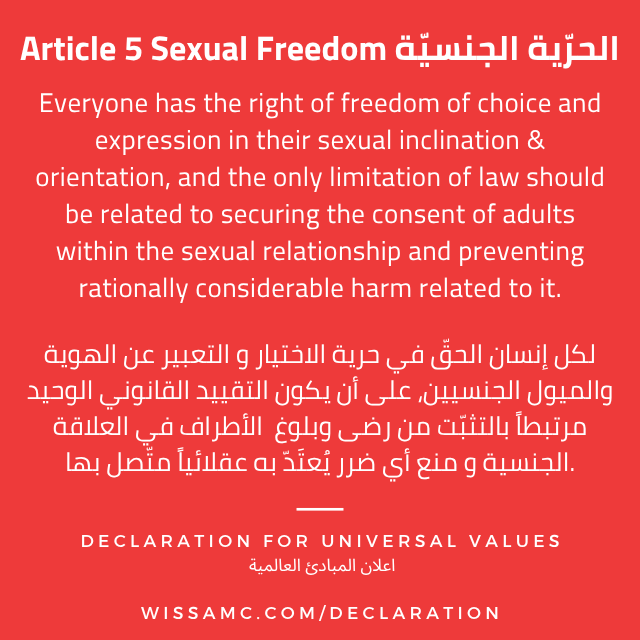
من أكثر الالتباسات رسوخاً في المشرق العربي أن الدولة المدنية العلمانية تُصوَّر كأنها عدوٌّ للدين، أو كأنها مشروعٌ لاقتلاع الإيمان من المجتمع، أو حربٌ على الهوية الإسلامية. وهذا، في أكثر حالاته، ليس فهماً دقيقاً، بل خلطٌ بين العلمانية بوصفها حياداً عدلياً للدولة بين الأديان، وبين الإلحاد بوصفه موقفاً فكرياً من الدين. فالدولة المدنية العلمانية، في أصلها الصحيح، لا تقول للناس: لا تؤمنوا، ولا تقول للمؤمن: اخفِ دينك، ولا تقول للمجتمع: تخلَّ عن تراثك. هي تقول فقط: الدولة لا تكون ملكاً لطائفة، ولا سيفاً مذهبياً في يد جماعة، ولا حارساً لعقيدة واحدة على حساب بقية المواطنين. وبذلك، فهي ليست هدماً للتعددية الدينية، بل من أهم ضماناتها.
وفي بلدٍ مثل لبنان، حيث التعددية ليست تفصيلاً بل صلب الكيان، تصبح الدولة المدنية العلمانية أقرب إلى ضرورة أخلاقية ووطنية لا إلى ترف فكري. لأن البديل عنها، في الواقع لا في الخيال، ليس “دولة دينية فاضلة”، بل دولة محاصصة طائفية يتقاسمها ممثلو الجماعات باسم الله والطائفة والتاريخ والحقوق، فيما يضيع الإنسان والمواطن والعدالة. لبنان لم يعانِ من فائض علمانية، بل من فائض طائفية؛ لم يختنق من حياد الدولة، بل من غياب هذا الحياد؛ لم يُدمّر لأن الدولة لم تكن دينية بما يكفي، بل لأن الدولة صارت سوقاً للطوائف، وكل طائفة تريد حصتها من الخزينة والسلطة والخوف.
ثم إن القول بأن الهوية الإسلامية تناقض الدولة المدنية العلمانية هو قولٌ يحتاج إلى مراجعة عميقة. فالإسلام، في جوهره، لم يجعل قداسة الدولة فوق قداسة العدل، ولم يجعل شكل النظام السياسي ركناً من أركان الإيمان، ولم يربط نجاة الناس في الآخرة بوجود “دولة دينية” بالمعنى الثيوقراطي الذي عرفته أوروبا في بعض عصورها. الذي أكّد عليه الإسلام، نصاً وروحاً ومقاصد، هو العدل، والشورى، ورفع الظلم، وصيانة الحقوق، ومنع الاستبداد، وحفظ الكرامة الإنسانية. أما الأشكال السياسية والإدارية والمؤسساتية، فهي من مجال الاجتهاد البشري، تخضع للزمان والمكان والمصلحة وتجارب الأمم.
بمعنى أوضح: الإسلام يطلب دولةً عادلة، لا دولةً كهنوتية. يطلب حكماً لا يظلم، لا حكماً يحتكر الحديث باسم الله. يطلب نظاماً يصون الدماء والأموال والأعراض والحريات والعهود، لا نظاماً يرفع راية الدين ثم يأكل الناس باسم الدين. ولذلك، فإن كثيراً من المسلمين يخطئون حين يتوهمون أن الدفاع عن الإسلام يقتضي الدفاع عن “الدولة الدينية” بوصفها الشكل الوحيد المشروع، بينما المشكلة الحقيقية ليست في الاسم، بل في النتيجة: هل الدولة عادلة أم ظالمة؟ هل تحمي الناس جميعاً أم تفرزهم درجات؟ هل تعامل المواطن بصفته إنساناً كامل الحقوق، أم بصفته تابعاً لطائفة أو مذهب أو أكثرية؟
والفلسفة الإسلامية نفسها، لمن يقرأها بعقلٍ لا بعصبية، لا تُلزمنا بدولة دينية مغلقة. بل إن التراث الإسلامي الكبير، من الفقه إلى علم الكلام إلى الفلسفة إلى المقاصد، مليء بإشاراتٍ إلى أن المقصود هو انتظام مصالح الناس ورفع المفاسد عنهم. وإذا كانت الدولة المدنية العلمانية، في مجتمع تعددي، أقدر على حماية الدماء والضمائر والحقوق والمساواة بين المواطنين، فإنها من هذه الجهة تكون أقرب إلى روح العدل الإسلامي من دولة تتكلم باسم الدين ثم تقهر الناس به. فليست العبرة أن يُكتب على الجدار “دينية”، بل أن يُكتب في واقع الناس: عدل.
بل يمكن القول إن الدولة المدنية العلمانية هي، في بعض البيئات العربية والإسلامية، حمايةٌ للدين نفسه من التوظيف السياسي. لأن أخطر ما يصيب الدين ليس أن تقف الدولة على مسافة واحدة من الجميع، بل أن يتحول الدين إلى أداة صراع على السلطة، وأن يصير اسم الله جزءاً من ماكينة الانتخابات، وغطاءً للفساد، وسلاحاً في وجه الخصوم، ووسيلةً لتحصين الزعماء من النقد. حينها لا تُهان السياسة فقط، بل يُهان الدين أيضاً، لأنه يُسحب من مجاله الأخلاقي والروحي والحضاري، ويُلقى في وحل الزبائنية والمصالح والصفقات.
ومن هنا، فإن الدفاع عن الدولة المدنية العلمانية لا يعني التخلي عن الهوية الإسلامية، بل قد يكون في كثير من الأحيان الطريقة الأذكى والأعدل لحمايتها. فالمسلم في الدولة العادلة لا يخسر دينه، بل يمارسه بحرية وكرامة. والمسيحي لا يشعر فيها أنه ضيف. والدرزي لا يعيش على قلق العدد. واللاديني لا يُعامل كأنه شبهة قائمة. والجميع يلتقون تحت سقف قانونٍ واحد لا يسألهم قبل الحقوق: ما طائفتكم؟ ومن شيخكم؟ وتحت أي خوف تاريخي تتحركون؟
وهنا بيت القصيد: الدولة المدنية العلمانية ليست ضد الإسلام، بل ضد احتكار الإسلام. ليست ضد التدين، بل ضد تحويل التدين إلى امتياز سياسي. ليست ضد القيم، بل ضد المتاجرة بالقيم. وإذا كان الإسلام، كما نؤمن، دين عدل ورحمة وكرامة ومسؤولية، فإن أقرب الدول إلى روحه ليست تلك التي ترفع الشعارات الدينية أعلى، بل تلك التي تمنع الظلم أكثر، وتحفظ الكرامة أكثر، وتساوي بين الناس أكثر، وتغلق أبواب الفتنة والاستبداد أكثر.
فالخلاصة أن لبنان، إذا أراد أن ينجو ويحفظ تعدديته، لا يحتاج إلى دولة طوائف متدينة شكلاً ومفككة جوهراً، بل إلى دولة مدنية عادلة، محايدة بين الأديان، حامية لحق الجميع في الإيمان والاختلاف معاً. وهذا لا يناقض الهوية الإسلامية، بل ينسجم مع أعمق ما فيها: أن الحكم وسيلةٌ للعدل، لا صنمٌ لفرض العقيدة؛ وأن الدولة تُقاس بما تحققه للناس من إنصافٍ وحريةٍ وكرامة، لا بمقدار ما ترفع من لافتات مقدسة فوق رؤوس المظلومين.
وهكذا يكون ختام السلسلة واضحاً: لا مستقبل للبنان من دون مقاومةٍ تحميه، ولا من دون دولةٍ عادلةٍ تبنيه، ولا من دون أفقٍ عربيٍّ أوسع يسنده، ولا من دون دولةٍ مدنيةٍ علمانيةٍ تصون تنوّعه، وتمنع أن يتحول الدين من نورٍ للهداية إلى وقودٍ للفتنة. هنا فقط يبدأ الوطن بالخروج من مأزقه، لا إلى نفي هوياته، بل إلى تنظيمها تحت سقف العدالة.

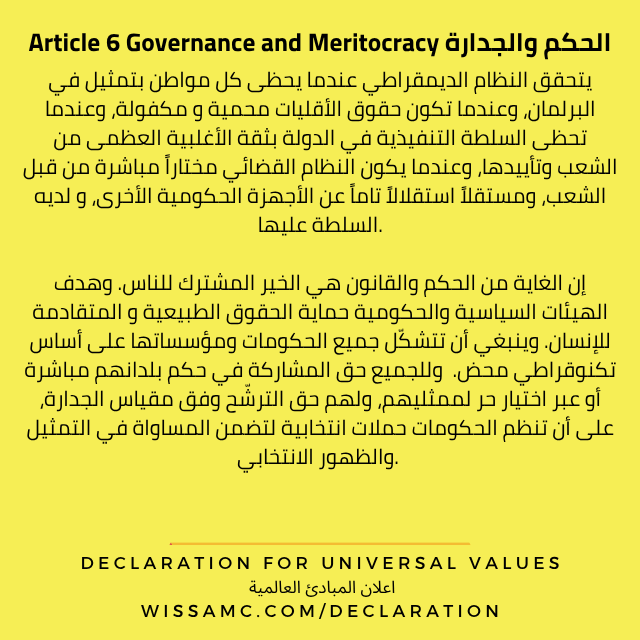







 Wissam Charafeddine