
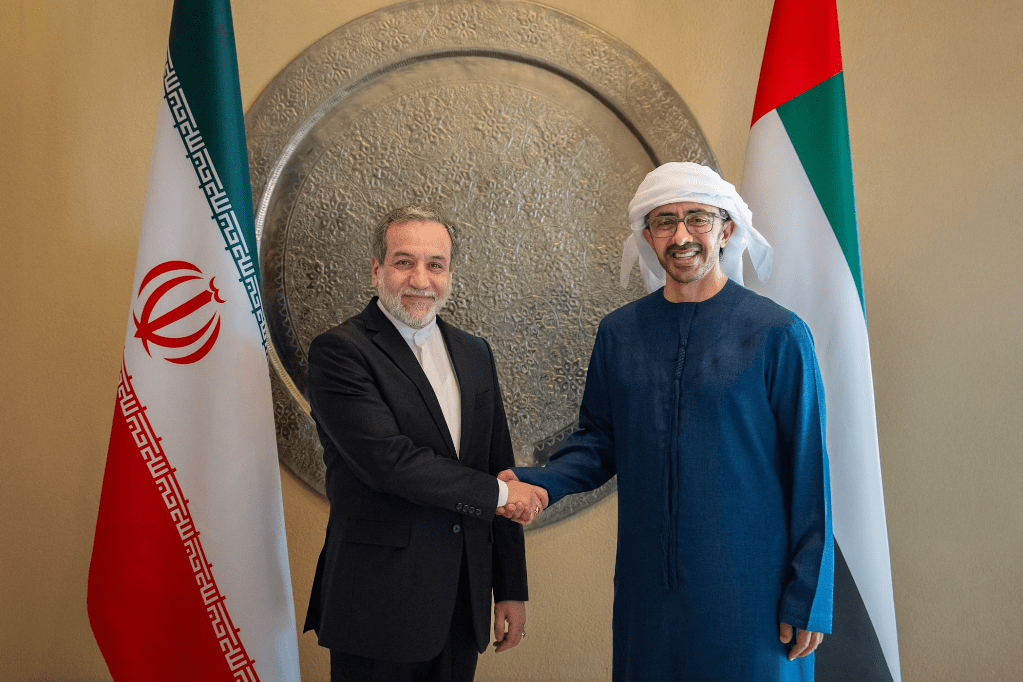
الإمارات على مفترق الرياح
حين تُراهن الإمارات على تحالفها مع المشروع الصهيوني في منطقة تعيد فيها التحالفات الإيرانية الجديدة رسمَ خرائط النفوذ، فإنها لا تراهن على شريك، بل على عبء. فالاستثمار لا يُحبّ الجوار المشتعل، والأموال الدولية جبانة بطبعها تفرّ من أي أفق تلوح في أطرافه ريبة. وبينما تُفتح أبواب إيران — بعد رفع العقوبات — أمام رؤوس الأموال والشركات والسياحة والطاقة، فإن كل دولار يتجه نحو طهران أو حلفائها هو دولار يُعيد حساباته مرتين قبل أن يحطّ في دبي. الإمارات بنت عظمتها على حياد ذكي وجاذبية محسوبة؛ فإذا تنازلت عن هذا الحياد لصالح رهان أيديولوجي يتيم في محيط معادٍ، وجدت نفسها في موقع النادم: لا هي آمنة في جوارها الإقليمي، ولا هي جذّابة في عيون المستثمرين الذين يبحثون عن الهدوء قبل أن يبحثوا عن الأرباح.
وإذا تعرقلت مشاريع الاستثمار في الإمارات والتي بنيت على أسس ثبات الريع المتوقع والنمو المستمر، فان السوق الاماراتية ستنهار اسرع مما يمكن توقعه. وذلك ما لا يريده أي عربي او مسلم لها. نأمل ان تعيد نظرها في مشروع التطبيع الفاشل والارتماء في الحضن الدموي الصهيوني على حساب أطفال فلسطين ولبنان. وان تفتح خطها على ايران كما أراد لها الشيخ زايد هذا النوع من التعاون الإسلامي وكما ينتمي ٢٠٪ من الإماراتيين لأصول إيرانية.
The UAE at the Crossroads
When the UAE bets on its alliance with the Zionist project in a region where new Iranian alliances are redrawing the maps of influence, it is not betting on a partner — it is betting on a burden. Investment does not favor inflamed neighborhoods, and international capital is timid by nature, fleeing any horizon where uncertainty lurks at its edges. And as Iran’s doors swing open — after the lifting of sanctions — to capital, corporations, tourism, and energy, every dollar heading toward Tehran or its allies is a dollar that thinks twice before settling in Dubai. The UAE built its greatness on shrewd neutrality and calculated attractiveness; if it surrenders that neutrality in favor of an ideologically orphaned wager in a hostile neighborhood, it will find itself in the position of the regretful: neither secure within its regional surroundings, nor appealing in the eyes of investors who seek tranquility before they seek profits.
And if the investment projects in the UAE — built on foundations of expected rental stability and continuous growth — begin to falter, the Emirati market will collapse faster than anyone could anticipate. And that is something no Arab or Muslim wishes upon it. We hope it reconsiders the failed normalization project and its embrace of the bloodstained Zionist fold, at the expense of the children of Palestine and Lebanon. And that it reopens its line with Iran, as Sheikh Zayed himself envisioned this kind of Islamic cooperation — and as befits a country where 20% of Emiratis trace their roots to Iranian origin.
 Wissam Charafeddine